Browse / Poland / Silesia / Zabrze
Zabrze
Silesiacity

Zabrze
Total population
158,307
Founded
1201
Demographic figures from Statistics Poland (GUS). Overview below cites Wikipedia and may reference a different year.
City facts
Sister cities
Facts from Wikidata (CC0).
Overview
Zabrze is an industrial city in Silesia in southern Poland, near Katowice. It lies in the western part of the Metropolis GZM, a metropolis with a population of around 2 million. It is in the Silesian Highlands, on the Bytomka River, a tributary of the Oder.
Read more on WikipediaHistory & geography
History
Biskupice, which is now a subdivision of Zabrze, was first mentioned in 1243 as Biscupici dicitur cirka Bitom. Zabrze (or Old Zabrze) was mentioned in 1295–1305 as Sadbre sive Cunczindorf (German for Konrad/Kunze's village; sive = "or"). According to historical sources, mining in Zabrze dates back to the 13th century. The present-day districts of Mikulczyce and Rokitnica were locations of motte-and-bailey castles from the 13th-15th century, which are now archaeological sites. In the 1970s, archaeologists discovered an Epipalaeolithic flintwork and flint tools from the Mesolithic at the Mikulczyce archaeological site. Until that time, it was among the few cities in Upper Silesia whose Polish name had been retained under German rule. In 1904, the "Sokół" Polish Gymnastic Society was established in Zabrze as both a sporting and patriotic organization promoting Polish national identity. It was dissolved by Prussian authorities in 1911 but reactivated twice, in 1913 and 1918. In May 1921 the Third Silesian Uprising broke out and Hindenburg was captured by Polish insurgents, who held it until the end of the uprising.}} In the 1920s, the communists, Christian democrats and nationalists enjoyed the greatest support among the German population, while Poles supported Polish parties. In 1924 the Communist Party of Germany won the local elections and proposed changing the name of the city to Leninburg. In 1928, among the largest cities in western Upper Silesia, Polish parties received the most votes in Zabrze. In the March 1933 elections, most of the citizens voted for the Nazi Party, followed by Zentrum and the Communist Party. Nazi politician became the city's mayor and remained in the position until 1945. The anti-Polish organization Bund Deutscher Osten was very active in…
Excerpted from the corresponding Wikipedia article (CC BY-SA).
Geography
Coordinates & boundaries from the US Census TIGER/Line shapefiles.
Climate
Air quality
Walkability
Amenities nearby
Wildlife & biodiversity
Earthquake history
Photos
Sights & places nearby
Notable people from here


People born within ~10 km, from Wikidata (CC0). Click any name for their Wikipedia article.
Nearby places in Silesia
- Paniówki5.3 mi away · pop. 2,297
- Kamieniec7.3 mi away · pop. 829
- Zawada8 mi away · pop. 310
- Bobrowniki10.3 mi away
- Rzeczyce10.5 mi away · pop. 551
- Paczynka10.6 mi away
- Łany Wielkie10.8 mi away · pop. 748
- Łubie11 mi away · pop. 796
- Dobieszowice11.3 mi away · pop. 1,891
- Kleszczów11.7 mi away · pop. 781
- Kopienica11.8 mi away
- Pilchowice11.8 mi away · pop. 2,919
Geography & sun
Elevation, sunrise/sunset and daylight from Open-Meteo. Solar climatology from NASA POWER.
Nearby airports
Public attention
Pageview totals from the Wikimedia Pageviews API.
Books about Zabrze


Search results from Open Library.
Recent natural events nearby
Ground air-quality sensors
Recently spotted species
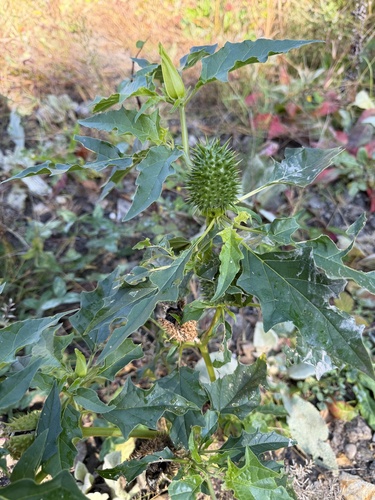
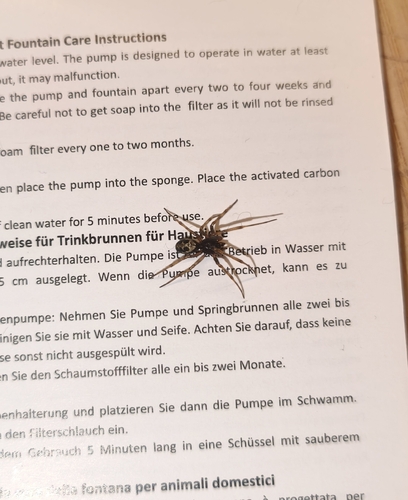
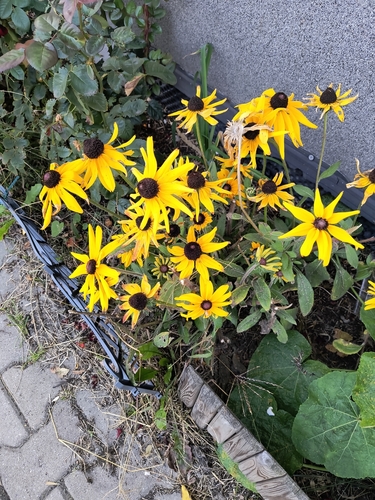
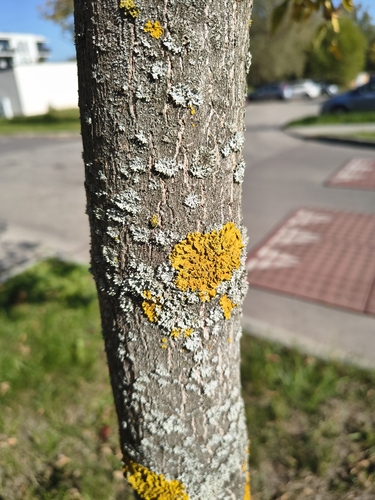
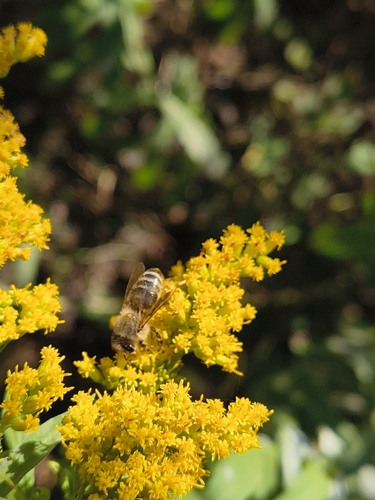
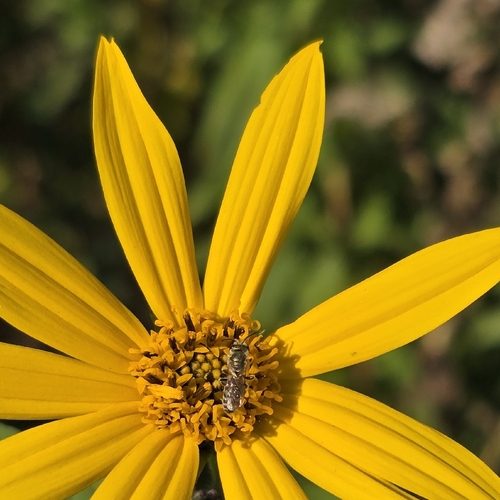
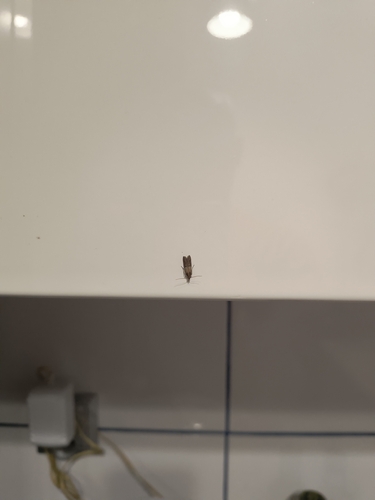
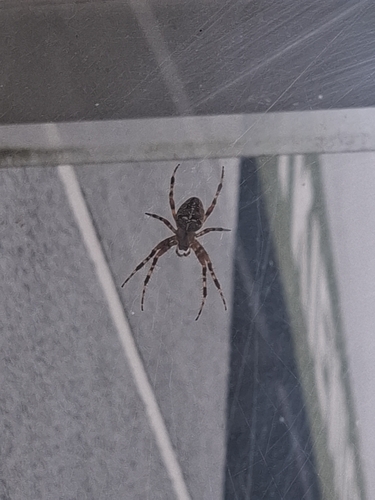
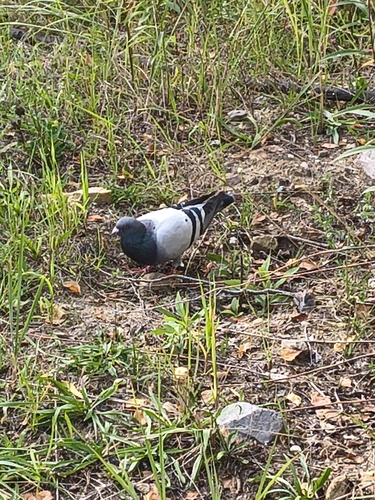
Research-grade observations from iNaturalist (within ~15 mi).
Events
Gallery
Geotagged photos within ~6 miles of Zabrze, from Wikimedia Commons contributors.
 0 mi
0 mi.jpg) 0 mi
0 mi.jpg) 0 mi
0 mi.jpg) 0 mi
0 mi 0 mi
0 mi 0.1 mi
 0.1 mi
 0.1 mi
 0.1 mi
 0.1 mi
 0.1 mi
 0.1 mi
 0.1 mi
 0.1 mi
 0.1 mi
 0.1 mi
 0.1 mi
 0.1 mi
 0.1 mi
 0.1 mi
 0.1 mi
 0.1 mi
.jpg) 0.1 mi
0.1 mi.jpg) 0.1 mi
0.1 miPhotos via Wikimedia Commons — see each image page for license & attribution.
Sources
- • Wikipedia
- • Wikimedia Commons
- • Wikidata
- • iNaturalist
- • Open-Elevation
- • Open-Meteo / sunrise-sunset.org
- • Wikipedia Pageviews API
- • Open Library