Browse / Portugal / Beja / Mértola
Mértola
Bejatown

Mértola
Total population
1,333
Demographic figures from INE Portugal. Overview below cites Wikipedia and may reference a different year.
City facts
Sister cities
Facts from Wikidata (CC0).
Overview
Mértola, officially the Town of Mértola, is a town and municipality in southeastern Portuguese Alentejo near the Spanish border. In 2021, the population of the municipality was 6,206, in an area of approximately 1,292.87 square kilometres (499.18 mi2): it is the sixth-largest municipality in Portugal. Meanwhile, it is the second-lowest population centre by density with approximately 5.62 persons/1 square kilometre (0.39 mi2).
Read more on WikipediaHistory & geography
History
Mértola was inhabited at least since the Iron Age at least by Conni and Cynetes settlements. The original pre-Roman or Lusitanian name was Myrtilis or Mirtilus (referring to Iberian mint) a Hellenized adaptation subsequently renamed to Myrtilis Iulia by the Romans. The strategic location of Mértola, on a hill by the northernmost navigable part of the Guadiana river, was crucial in its early development. Agricultural products grown in the villae nearby and valuable minerals (silver, gold and tin) obtained from the lower Alentejo region were sent from the fluvial port of Mértola via the Guadiana to Southern Hispania and the Mediterranean. Between 1st and 2nd century, Myrtilis, part of the larger Pacensis region (under the capital Beja/Pax Julia), acquired great importance as a dynamic commercial centre, permitting it to mint its own coin. The town was raised to the status of a Municipium in times of Emperor Augustus and was connected to important Roman cities (Beja, Évora) through a road system. During the Migration Period, Mértola was invaded by Germanic tribes of the Sueves and the Visigoths. In this period (5th-8th centuries) commerce was reduced but still active, as evidenced by Greek tombstones from the 6th-7th centuries found in Mértola which suggest trading, and the presence of Byzantine merchants in the town. Around the year 711, Hispania was invaded by the Moors from the Maghreb, inaugurating a period of great influence of Islamic culture in the Alentejo region that would last over 400 years. Mértola and its port played an important economic role in the commerce of agricultural and mineral goods between the Alentejo and other parts of Al-Andalus and Northern Africa. Mértola had a wall dating from Roman times, but the Muslims built new fortifications and,…
Geography
{|border="0" cellpadding="20" cellspacing="0" style="float:right;" | |} Administratively, the municipality is divided into 7 civil parishes (freguesias): * Alcaria Ruiva * Corte do Pinto * Espírito Santo * Mértola * Santana de Cambas * São João dos Caldeireiros * São Miguel do Pinheiro, São Pedro de Solis e São Sebastião dos Carros Mértola has a Mediterranean climate (Köppen: Csa) with hot to very hot dry summers and mild wet winters.
Excerpted from the corresponding Wikipedia article (CC BY-SA).
Geography
Coordinates & boundaries from the US Census TIGER/Line shapefiles.
Climate
Air quality
Walkability
Amenities nearby
Wildlife & biodiversity
Earthquake history
Photos
Sights & places nearby
Notable people from here


People born within ~10 km, from Wikidata (CC0). Click any name for their Wikipedia article.
Nearby places in Beja
Geography & sun
Elevation, sunrise/sunset and daylight from Open-Meteo. Solar climatology from NASA POWER.
Nearby airports
Public attention
Pageview totals from the Wikimedia Pageviews API.
Books about Mértola

Search results from Open Library.
Recent natural events nearby
Ground air-quality sensors
Recently spotted species
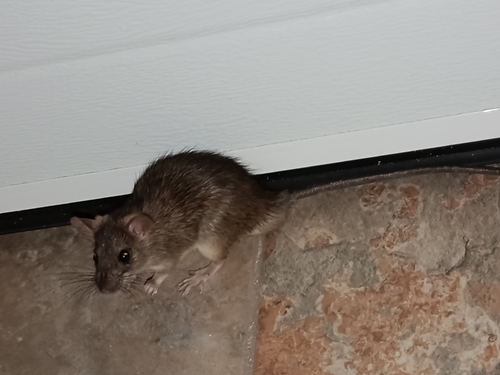
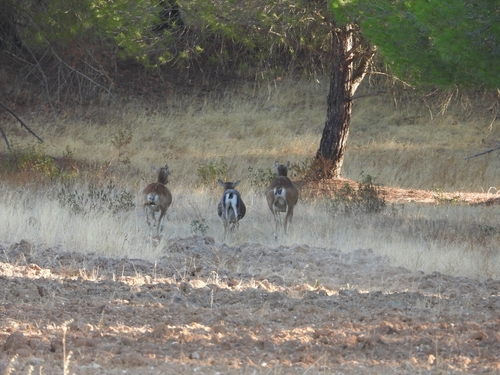
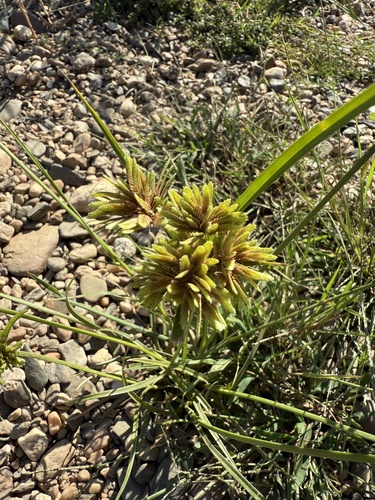
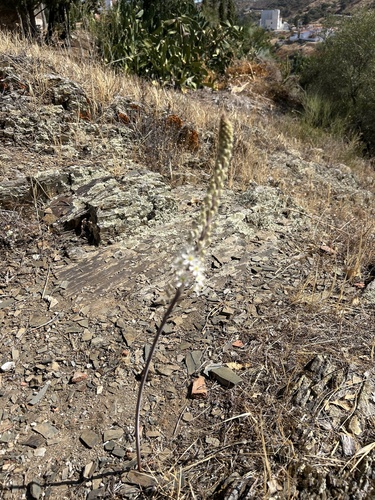
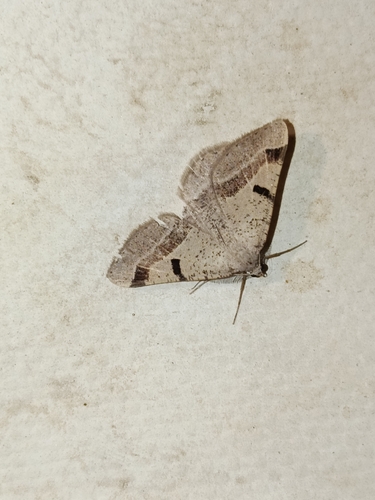
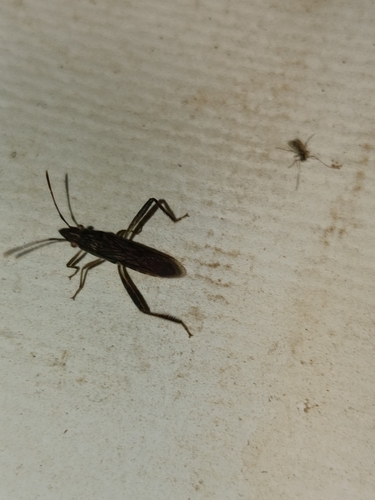
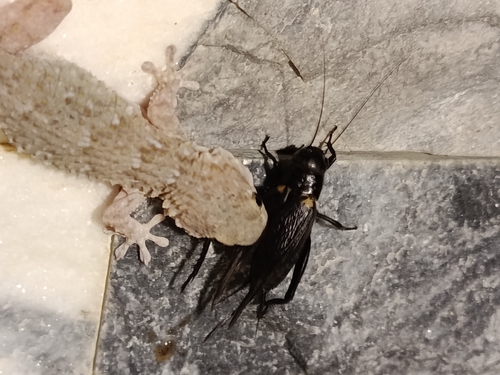
Research-grade observations from iNaturalist (within ~15 mi).
Events
Gallery
Sources
- • Wikipedia
- • Wikidata
- • iNaturalist
- • Open-Meteo / sunrise-sunset.org
- • Wikipedia Pageviews API
- • Open Library
- • Wikidata SPARQL (CC0) — population, area, elevation, inception, head of government, Commons image