Browse / Romania / Suceava / Fălticeni
Fălticeni
Suceavacity

Fălticeni
Total population
31,419
Founded
1435
Demographic figures from INS Romania. Overview below cites Wikipedia and may reference a different year.
City facts
Facts from Wikidata (CC0).
Overview
Fălticeni is a town in Suceava County, northeastern Romania. It is situated in the historical region of Western Moldavia. According to the 2021 census, Fălticeni is the third largest urban settlement in the county. It was declared a municipality in 1995, along with two other cities in Suceava County: Rădăuți and Câmpulung Moldovenesc.
Read more on WikipediaHistory & geography
History
The earliest written mention of the village Folticeni is from March 1490, and the second from March 1554, when Moldavian Prince Alexandru Lăpușneanu awarded the estate and the village bearing the aforesaid name to Moldovița Monastery. Fălticeni was first mentioned as an urban settlement in August 1780 as Târgul Șoldănești (Șoldănești Market), after the name of a local boyar's estate, in a document issued by the chancellery of Prince Constantin Moruzi. In March 1826, an edict issued by Prince Ioan Sturdza changed the name of the town to Fălticeni. Fălticeni was bombed by the Bolsheviks during World War I. Before World War I, Fălticeni was the capital of the Romanian Old Kingdom’s Suceava County. After the Union of Bukovina with Romania and an administrative reform from 1925, Fălticeni became the capital of Baia County, remaining as such until 1950. Since the revival of counties in 1968, the city has been part of Suceava County. In 1921 the Faltishan (Yiddish for Fălticeni) Hasidic dynasty was founded in Fălticeni, by Rabbi Eluzar Twersky, a scion of the Skver Hasidic sect, and part of the prestigious royal Hasidic Twersky family. Today there are Jewish communities in Brooklyn, New York carrying on the name Faltishan, led by Rabbi Twersky's descendants. The Jewish community of Falticeni, unlike those in the other urban communities in the present-day Suceava County, was not deported to Transnistria.
Geography
Fălticeni is located in the southern part of Suceava County, away from Suceava, the county seat. The European route E85 crosses the city. Fălticeni is connected to the Romanian national railway system, through Dolhasca train station (24 km away). The city of Roman is to the south, on the E85 road.
Excerpted from the corresponding Wikipedia article (CC BY-SA).
Geography
Coordinates & boundaries from the US Census TIGER/Line shapefiles.
Climate
Air quality
Walkability
Amenities nearby
Wildlife & biodiversity
Earthquake history
Photos
Sights & places nearby
Notable people from here
Nearby places in Suceava
- Șoldănești1.2 mi away · pop. 763
- Țarna Mare1.5 mi away · pop. 625
- Rădășeni2.3 mi away · pop. 2,756
- Pocoleni3.3 mi away · pop. 226
- Huși3.7 mi away
- Podeni3.9 mi away · pop. 446
- Leucușești4.1 mi away · pop. 928
- Huși4.1 mi away · pop. 642
- Lămășeni4.1 mi away · pop. 1,406
- Bunești4.5 mi away · pop. 570
- Baia4.8 mi away · pop. 4,884
- Uncești4.8 mi away · pop. 697
Geography & sun
Elevation, sunrise/sunset and daylight from Open-Meteo. Solar climatology from NASA POWER.
Nearby airports
Public attention
Pageview totals from the Wikimedia Pageviews API.
Books about Fălticeni
Search results from Open Library.
Recent natural events nearby
Ground air-quality sensors
Recently spotted species

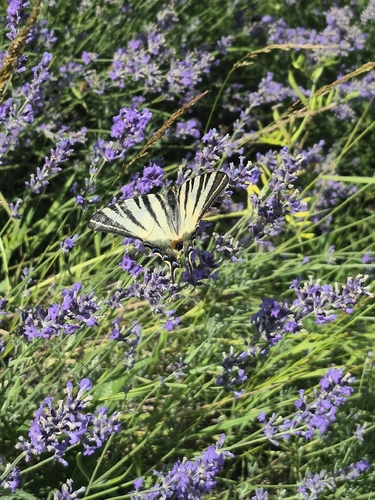

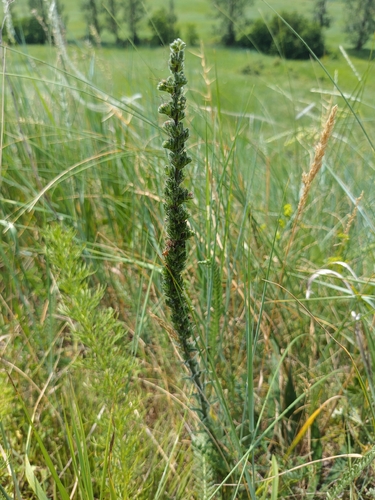
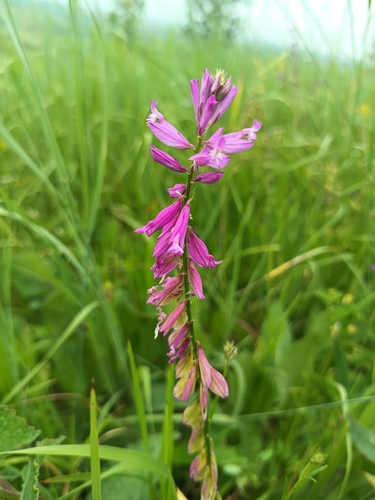
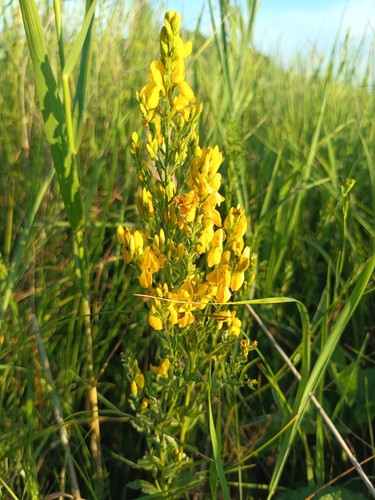
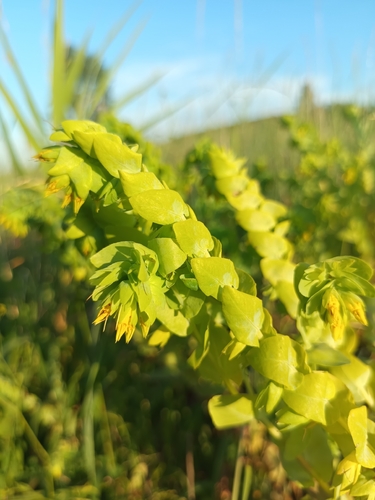
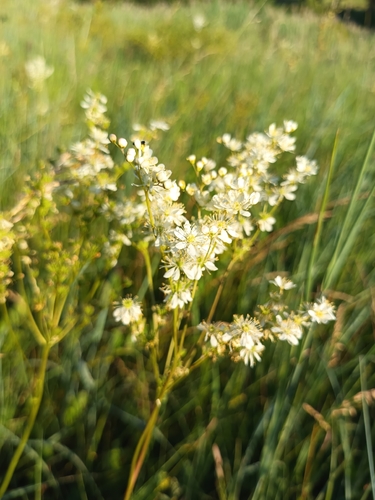
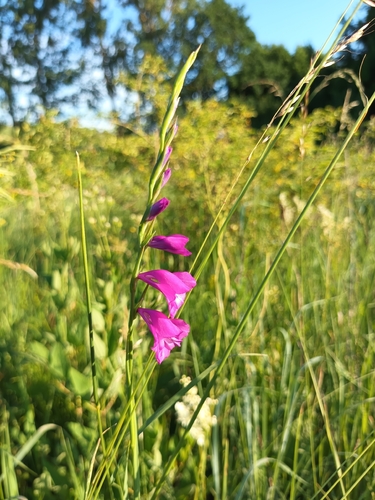
Research-grade observations from iNaturalist (within ~15 mi).
Events
Gallery
Sources
- • Wikipedia
- • Wikidata
- • iNaturalist
- • Open-Meteo / sunrise-sunset.org
- • Wikipedia Pageviews API
- • Open Library