Browse / Romania / Iași / Iași
Iași
Iașicity

Iași
Total population
290,422
Founded
1408
Demographic figures from INS Romania. Overview below cites Wikipedia and may reference a different year.
City facts
Sister cities
Facts from Wikidata (CC0).
Overview
Iași, also sometimes referred to historically as Jassy, is the third most-populous city in Romania and the seat of Iași County. Located in the historical region of Moldavia, it has traditionally been one of the leading centres of Romanian social, cultural, academic and artistic life. The city was the capital of the Principality of Moldavia from 1564 to 1859, then of the United Principalities from 1859 to 1862, and the capital of Romania from 1916 to 1918.
Read more on WikipediaHistory & geography
History
Archaeological investigations attest to the presence of human communities on the present territory of the city and around it as far back as the prehistoric age. Later settlements included those of the Cucuteni–Trypillia culture, a late Neolithic archaeological culture. There is archaeological evidence of human settlements in the area of Iași dating from the 6th to 7th centuries (Curtea Domnească) and 7th to 10th centuries; these settlements contained rectangular houses with semicircular ovens. Also, many of the vessels (9th–11th centuries) found in Iași had a cross, potentially indicating that the inhabitants were Christians. In 1396, Iași is mentioned by the German crusader Johann Schiltberger (a participant in the Battle of Nicopolis). The name of the city is first found in an official document in 1408. This is a grant of certain commercial privileges by the Moldavian Prince Alexander to the Polish merchants of Lvov. However, as buildings older than 1408 still exist, e.g. the Armenian Church believed to be originally built in 1395, it is certain that the city existed before its first surviving written mention. Around 1564, Prince Alexandru Lăpușneanu moved the Moldavian capital from Suceava to Iași. Between 1561 and 1563, a school and a Lutheran church were founded by the Greek adventurer prince, Ioan Iacob Heraclid. In 1640, Vasile Lupu established the first school in which the Romanian replaced Greek, and set up a printing press in the Byzantine Trei Ierarhi Monastery (Monastery of the Three Hierarchs; built 1635–39). Between 15 September – 27 October 1642, the city hosted the Synod of Iași (also referred to as the Synod of Jassy). In 1643, the first volume ever printed in Moldavia was published in Iași. The city was often burned down and looted by the Tatars…
Geography
Located in northeastern Romania, at the contact between the Jijia Plain and the Bârlad Plateau, Iași used to be the crossroads place of the historic trade routes that passed through Moldavia coming from the Kingdom of Poland, Habsburg monarchy, Tsardom of Russia, and Constantinople. The city lies on the Bahlui River valley, a tributary of the Jijia River (tributary of the Prut River). The surrounding country is one of uplands and woods, featuring monasteries and parks. Iași itself stands amid vineyards and gardens, partly on hills, partly in the in-between valley. The central part of the city is located on the fluvial terrace of the Bahlui River (the so-called Palat Terrace). From this nucleus, the city evolved after the medieval times toward south and north on the Bahlui River floodplain and on the adjacent hills. The southern part of the city lies on the Iași Ridge () (the northernmost hill of the Bârlad Plateau). Considering the present day extension of the administrative boundaries, the city territory has an altitudinal extension of , between the 34.5 m a.s.l. (113.19 ft) in the Bahlui River floodplain, at the Holboca bridge, and 354.77 m a.s.l. (1,163.94 ft), at the edge of the Repedea Hill. It is a common belief that Iași is built on seven hills (): Breazu, Bucium, Cetățuia, Copou, Galata, Repedea and Șorogari, thus triggering comparisons with Rome. Under the Köppen climate classification, Iaşi falls within either a humid continental climate (Dfa, near Dfb) if the isotherm is used, or a humid temperate climate (Cfa) bordering on an oceanic climate (Cfb) if the isotherm is used. Iași experiences four distinct seasons. Summers are warm with temperatures sometimes exceeding while winters are cold and windy with moderate snowfall and temperatures at…
Excerpted from the corresponding Wikipedia article (CC BY-SA).
Geography
Coordinates & boundaries from the US Census TIGER/Line shapefiles.
Climate
Air quality
Walkability
Amenities nearby
Wildlife & biodiversity
Earthquake history
Photos
Sights & places nearby
Notable people from here


People born within ~10 km, from Wikidata (CC0). Click any name for their Wikipedia article.
Nearby places in Iași
- Miroslava2.9 mi away · pop. 1,287
- Șorogari3 mi away · pop. 147
- Aroneanu3.1 mi away · pop. 935
- Balciu3.1 mi away · pop. 294
- Valea Lungă3.4 mi away · pop. 245
- Vișan3.5 mi away · pop. 210
- Cârlig3.6 mi away · pop. 461
- Găureni3.7 mi away · pop. 198
- Valea Lupului4 mi away · pop. 4,028
- Vlădiceni4.1 mi away · pop. 338
- Horpaz4.2 mi away · pop. 659
- Dorobanț4.3 mi away · pop. 951
Geography & sun
Elevation, sunrise/sunset and daylight from Open-Meteo. Solar climatology from NASA POWER.
Nearby airports
Public attention
Pageview totals from the Wikimedia Pageviews API.
Books about Iași
Search results from Open Library.
Recent natural events nearby
Ground air-quality sensors
Recently spotted species
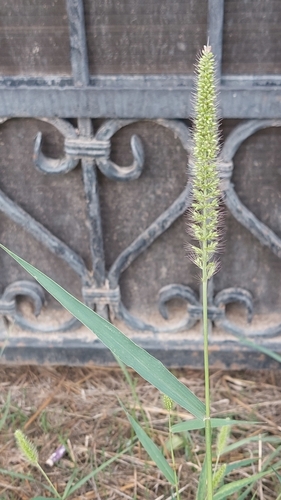
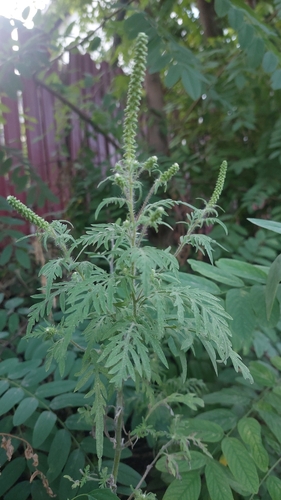
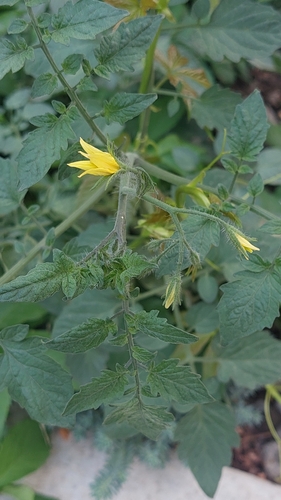
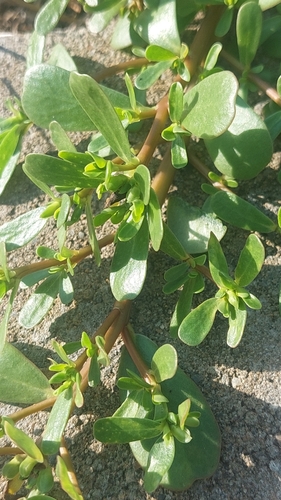
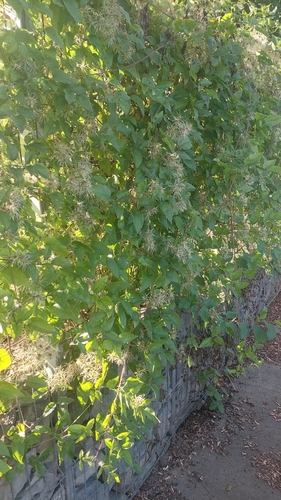
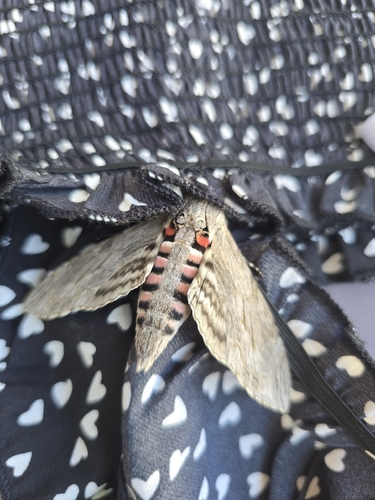
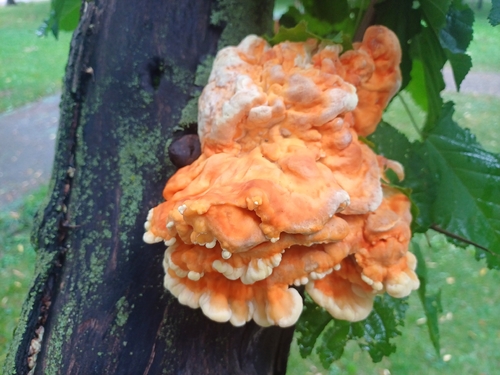
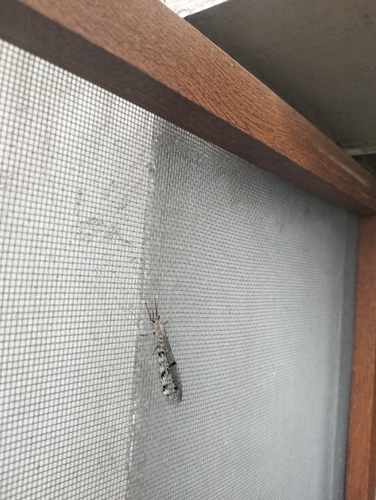
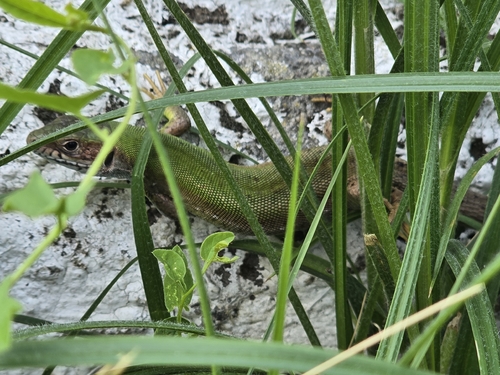
Research-grade observations from iNaturalist (within ~15 mi).
Events
Notable, recurring, and historical events associated with Iași, sourced from Wikidata.
- 2006 European Conference on Science and TheologyJan 1, 2006recurring event edition
conference on theology and science in 2006
Source: Wikidata (CC0).
Gallery
Sources
- • Wikipedia
- • Wikidata
- • iNaturalist
- • Open-Meteo / sunrise-sunset.org
- • Wikipedia Pageviews API
- • Open Library