Browse / São Tomé and Príncipe / São Tomé and Príncipe / São Tomé
São Tomé
São Tomé and Príncipecity

São Tomé
Total population
53,300
Founded
1485
Demographic figures from INE São Tomé. Overview below cites Wikipedia and may reference a different year.
City facts
Sister cities
Facts from Wikidata (CC0).
Overview
São Tomé is the capital and largest city of the Central African island country of São Tomé and Príncipe. Its name is Portuguese for "Saint Thomas". Founded in the 15th century, it is one of Africa's oldest colonial cities.
Read more on WikipediaHistory & geography
History
Álvaro Caminha founded the colony of São Tomé in 1493. The Portuguese came to São Tomé in search of land to grow sugarcane. The island was uninhabited before the arrival of the Portuguese sometime around 1470. São Tomé, situated about north of the equator, had a climate wet enough to grow sugarcane in wild abundance. In 1497, 2,000 Jewish children, eight years old and under, were kidnapped from the Iberian peninsula, and forcefully converted to receive catholic education, following the national policy of conversion to Catholicism. The nearby African Kingdom of Kongo eventually became a source of slave labor as well. The island of São Tomé was the main center of sugar production in the sixteenth century; it was overtaken by Brazil by 1600. São Tomé is centred on a sixteenth-century cathedral, that was largely rebuilt in the 19th century. Another early building is Fort São Sebastião, built in 1566 and now the São Tomé National Museum. On 9 July 1595, a slave revolt led by Rei Amador took control of the capital; they were subjugated in 1596. In 1599, the Dutch took the city as well as the islands for two days; they re-occupied it in 1641 for a year. The city served as the capital of the Portuguese colony of São Tomé and Príncipe and, from São Tomé and Príncipe's independence in 1975, as capital of the sovereign nation.
Geography
Important as a port, São Tomé is on Ana Chaves Bay in the northeast of São Tomé Island, and Ilhéu das Cabras lies nearby offshore. São Tomé is northeast of Trindade, southeast of Guadalupe and northwest of Santana. It is linked to these towns by a highway that encircles almost the entire island of São Tomé. Features of the town include the Presidential Palace, the cathedral, and a cinema. The city is also home to schools, and middle schools, high schools, one polytechnic, two markets, three radio stations, the public television station TVSP, several clinics and hospitals, the country's main airport – São Tomé International Airport (with direct regular scheduled flights to Angola, Gabon, Ghana and Portugal as well as occasional domestic flights to Príncipe), and many squares (praças). São Tomé also serves as the centre of the island's road and bus networks The town is well known for the tchiloli playing.
Excerpted from the corresponding Wikipedia article (CC BY-SA).
Geography
Coordinates & boundaries from the US Census TIGER/Line shapefiles.
Climate
Air quality
Walkability
Amenities nearby
Wildlife & biodiversity
Earthquake history
Photos
Sights & places nearby
Notable people from here
Nearby places in São Tomé and Príncipe
Geography & sun
Elevation, sunrise/sunset and daylight from Open-Meteo. Solar climatology from NASA POWER.
Nearby airports
Public attention
Pageview totals from the Wikimedia Pageviews API.
Books about São Tomé

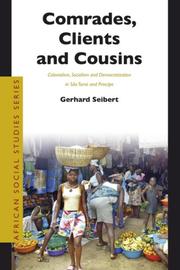
Search results from Open Library.
Recent natural events nearby
Ground air-quality sensors
Recently spotted species
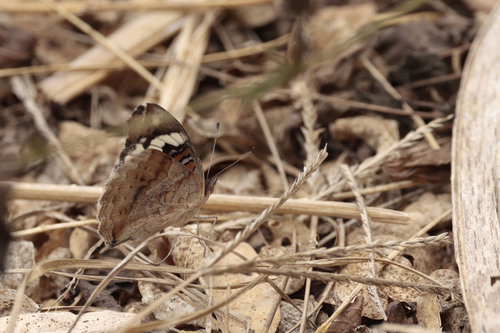
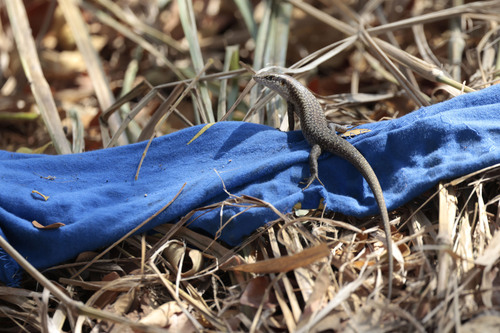
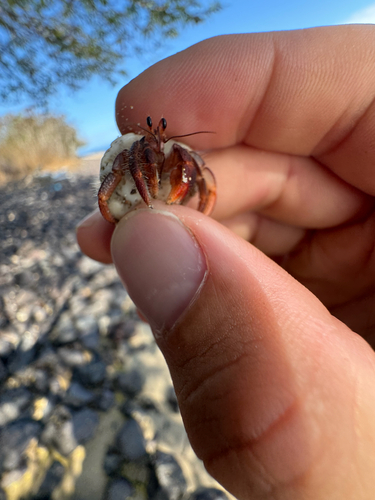
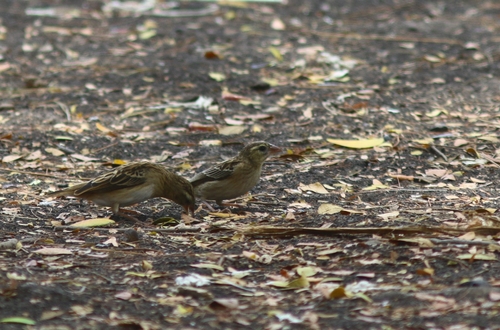
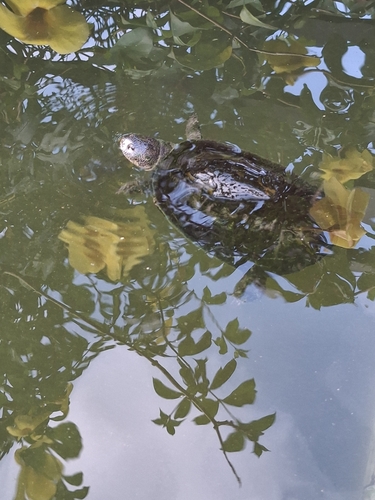
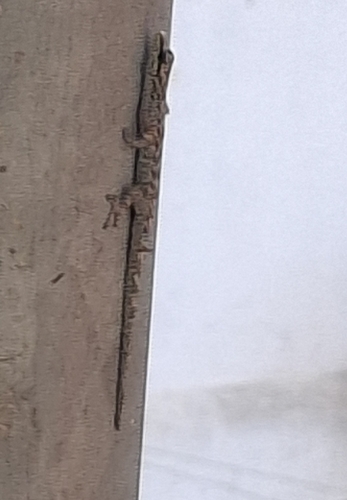
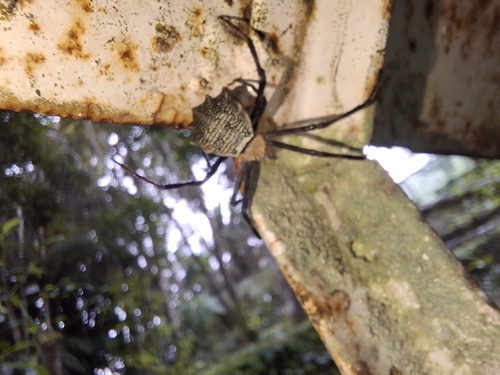
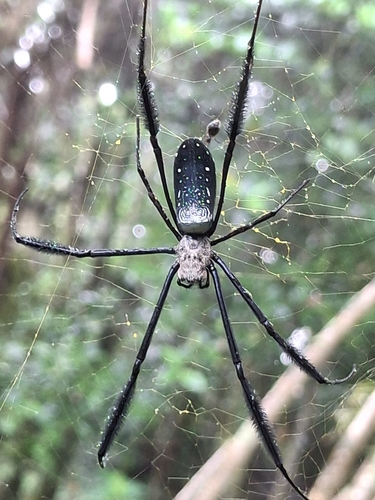
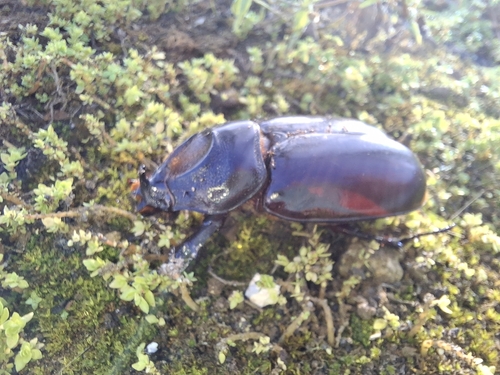
Research-grade observations from iNaturalist (within ~15 mi).
Events
Gallery
Sources
- • Wikipedia
- • Wikidata
- • iNaturalist
- • Open-Meteo / sunrise-sunset.org
- • Wikipedia Pageviews API
- • Open Library