Browse / Türkiye / Çankırı / Çankırı
Çankırı
Çankırıcity

Çankırı
Total population
186,074
Demographic figures from TurkStat. Overview below cites Wikipedia and may reference a different year.
City facts
Overview
Çankırı is a city in Turkey, about 140 km (87 mi) northeast of Ankara. It is situated about 800 m (2500 ft) above sea level. It is the seat of Çankırı Province and of Çankırı District. Its population is 90,564 (2021).
Read more on WikipediaHistory & geography
History
Çankırı was known in antiquity as Gangra (), and later Germanicopolis (). The city has also been known as Changra, Kandari, Kanghari, or Kangri. Α town of Paphlagonia that appears to have been once the capital of Paphlagonia and a princely residence, for it is known from Strabo that Deiotarus Philadelphus (before 31 BC–5/6 AD), the last king of Paphlagonia, resided there. Notwithstanding this, Strabo describes it as only "a small town and a garrison". According to 1st-century BC writer Alexander the Polyhistor the town was built by a goat herder who had found one of his goats straying there; but this origin is probably a mere philological speculation as gangra signifies "a goat" in the Paphlagonian language. Gangra was absorbed into the Roman province of Galatia upon the death of Deiotarus in 6/5 BC. The earlier town was built on the hill behind the modern city, on which are the ruins of a late fortress, while the Roman city occupied the site of the modern city. In the writings of the 2nd-century AD Greco-Roman writer Ptolemy, the city is referred to as Germanicopolis (Greek: ). It was named Germanicopolis, after Germanicus or possibly the emperor Claudius, until the time of Caracalla. In Christian times, Gangra was the metropolitan see of Paphlagonia. and his followers. The synod issued twenty canons known as the Canons of Gangra; these were declared ecumenical by the Council of Chalcedon in 451. Under these canons, the sect disowned marriage, disparaged the offices of the church, held conventicles of their own, wore a peculiar dress, denounced riches, and affected special sanctity. The synod condemned the Eustathian practices, declaring however that it was not virginity that was condemned, but the dishonouring of marriage; not poverty, but the disparagement of…
Excerpted from the corresponding Wikipedia article (CC BY-SA).
Geography
Coordinates & boundaries from the US Census TIGER/Line shapefiles.
Climate
Air quality
Walkability
Amenities nearby
Wildlife & biodiversity
Earthquake history
Photos
Sights & places nearby
Notable people from here
Nearby places in Çankırı
Geography & sun
Nearby airports
Public attention
Books about this place
Recent natural events nearby
Ground air-quality sensors
Recently spotted species
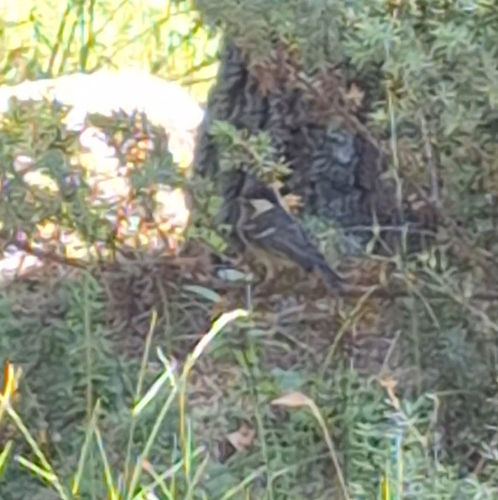

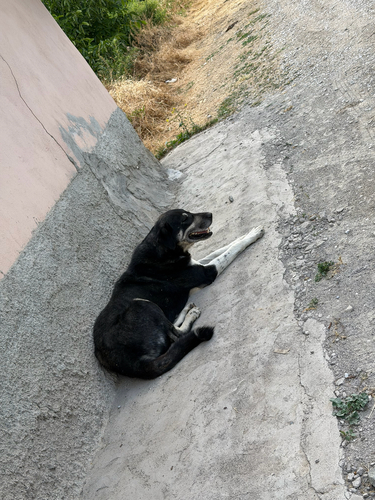
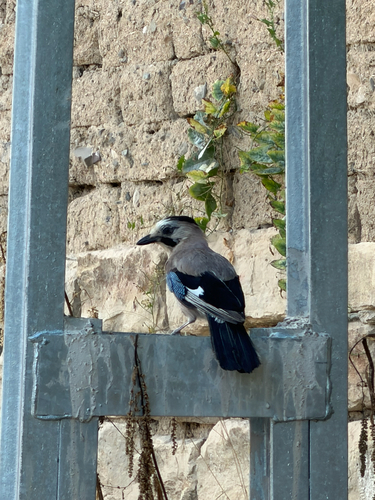
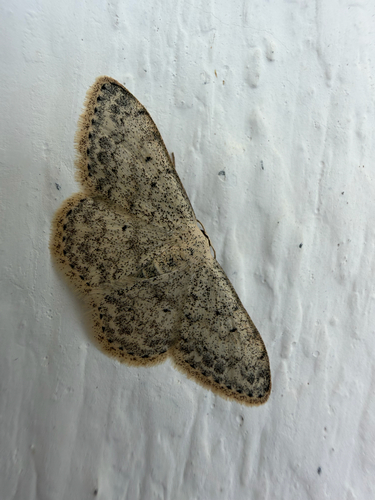
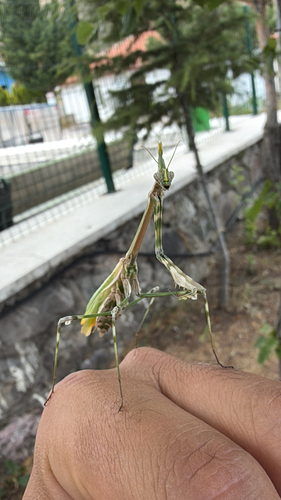
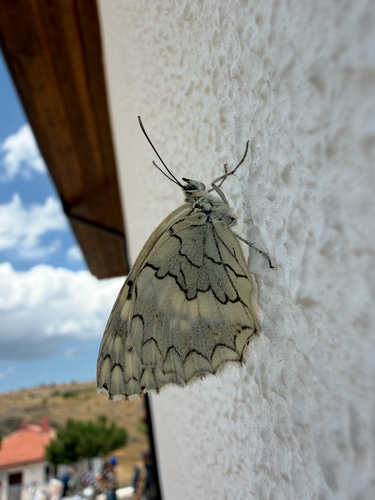

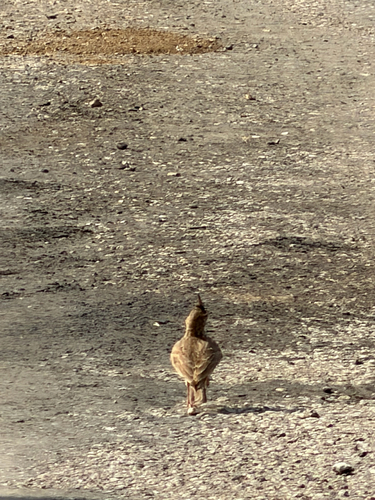
Research-grade observations from iNaturalist (within ~15 mi).
Events
Gallery
Sources
- • Wikipedia
- • iNaturalist
- • Wikidata SPARQL (CC0) — population, area, elevation, inception, head of government, Commons image