Browse / Türkiye / Karaman / Karaman
Karaman
Karamancity

Karaman
Total population
245,610
Demographic figures from TurkStat. Overview below cites Wikipedia and may reference a different year.
City facts
Sister cities
Facts from Wikidata (CC0).
Overview
Karaman is a city in south central Turkey, located in Central Anatolia, north of the Taurus Mountains, about 100 km (62 mi) south of Konya. It is the seat of Karaman Province and Karaman District. Its population is 175,390 (2022). The town lies at an average elevation of 1,039 m (3,409 ft). The Karaman Museum is one of the major sights.
Read more on WikipediaHistory & geography
History
In ancient times, Karaman was known as Lānda in Hittite and Laranda (). Little is known about the early history of Laranda. The city is first mentioned by name in ancient sources through the writings of Diodorus Siculus. According to him, after Perdiccas and King Philip defeated Ariarathes I of Cappadocia, they departed from Cappadocia and set out to punish the cities of Laranda and Isauria. This was in retaliation, because these cities killed Balacrus, a general appointed by Alexander the Great as satrap of the region. As a result, Laranda was destroyed. It later became a seat of Isaurian pirates. At one point, it was under the control of Antipater of Derbe, until he was killed by Amyntas of Galatia, who then took over the territories previously ruled by Antipater. It belonged to the Roman and later Byzantine Empires until it was captured by the Seljuks in the early 12th century. Karaman was occupied by Frederick Barbarossa in 1190 The poet Yunus Emre () resided in Karaman during his later years and is believed to lie buried beside the Yunus Emre Mosque. A small adjacent park is adorned with quotations from his verse, many of them graffiti-splattered. In 1222, the Sufi preacher Bahaeddin Veled arrived in town with his family, and the Karamanoğlu emir built a madrasah to accommodate them. Veled's son was the famous Rumi, who married his wife, Gevher Hatun, while his family was living in Karaman. It was here, too, that Rumi's mother died in 1224. She was buried, along with other family members, in the Aktekke Mosque (also known as the Mader-i Mevlana Cami), which Alaeddin Ali Bey had built to replace the original madrasah in 1370. When Thomas Jefferson fought Libya's Barbary pirates, he replaced one member of the al-Qaramanli dynasty with another as Pasha.
Excerpted from the corresponding Wikipedia article (CC BY-SA).
Geography
Coordinates & boundaries from the US Census TIGER/Line shapefiles.
Climate
Air quality
Walkability
Amenities nearby
Wildlife & biodiversity
Earthquake history
Photos
Sights & places nearby
Notable people from here
Geography & sun
Elevation, sunrise/sunset and daylight from Open-Meteo. Solar climatology from NASA POWER.
Nearby airports
Public attention
Pageview totals from the Wikimedia Pageviews API.
Books about Karaman
Search results from Open Library.
Recent natural events nearby
Ground air-quality sensors
Recently spotted species
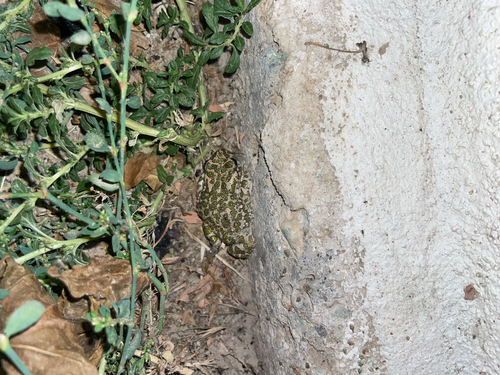
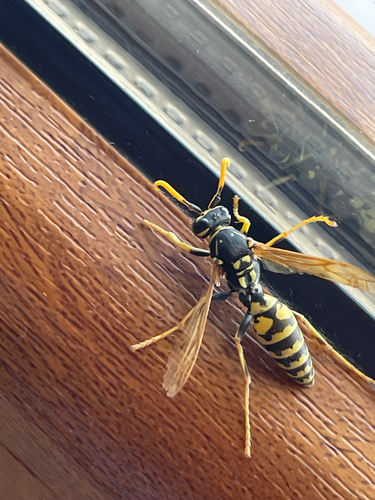
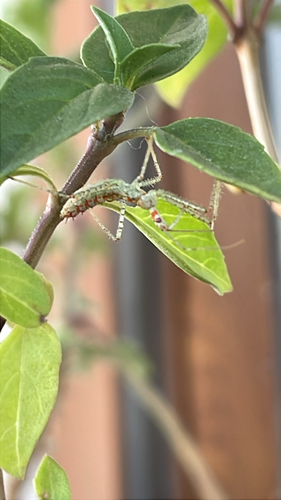
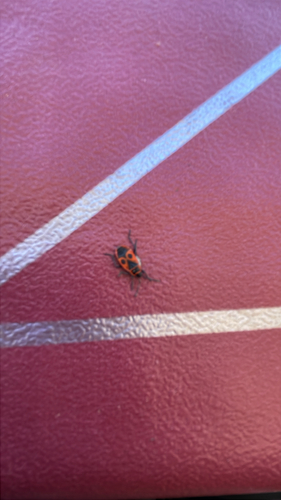
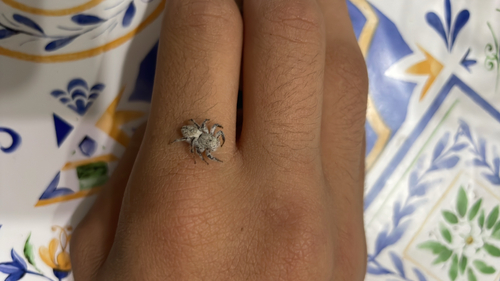
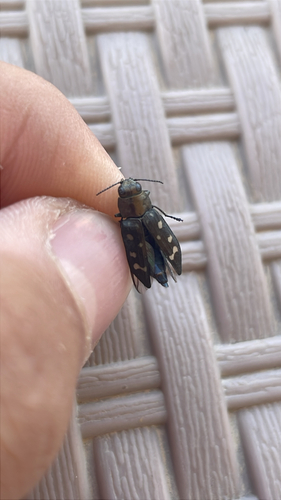
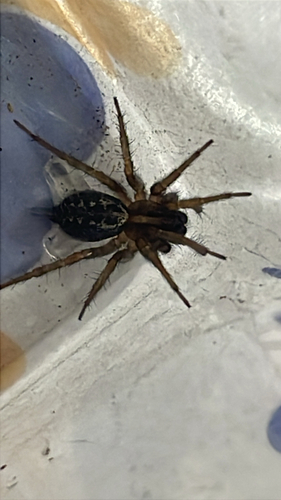
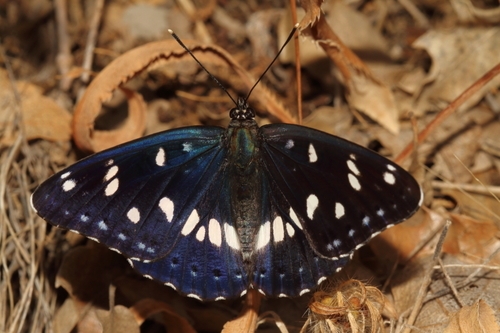
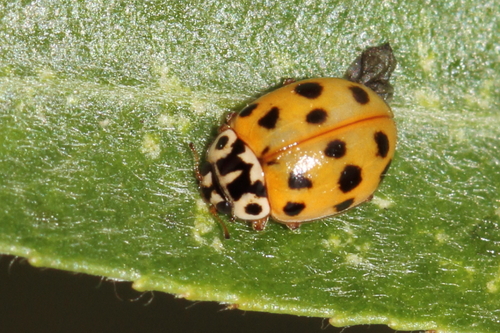
Research-grade observations from iNaturalist (within ~15 mi).
Events
Gallery
Sources
- • Wikipedia
- • Wikidata
- • iNaturalist
- • Open-Meteo / sunrise-sunset.org
- • Wikipedia Pageviews API
- • Open Library