Browse / United Kingdom / Scotland / Oban
Oban
Scotlandtown

Oban
Total population
8,170
Demographic figures from UK Office for National Statistics. Overview below cites Wikipedia and may reference a different year.
City facts
Overview
Oban is a resort town and seaport in the west of Scotland, within the Argyll and Bute council area. Although small, it is the largest town between Helensburgh and Fort William. Oban has a population of 8,000 (2022), which rises to over 24,000 during the tourist season. Oban is on the Firth of Lorn. The bay forms a near-perfect horseshoe, protected by the island of Kerrera and, beyond Kerrera, the Isle of Mull. To the north are the long, low island of Lismore and the mountains of Morvern and Ardgour.
Read more on WikipediaHistory & geography
History
Prior to the 19th century, the town itself supported very few households, sustaining only minor fishing, trading, shipbuilding and quarrying industries, and a few hardy tourists. The Renfrew trading company established a storehouse there around 1714, as a local outlet for its merchandise, but a custom-house was not deemed necessary until 1736, with "Oban being reckoned a proper place for clearing out vessels for the herring fishery". The modern town of Oban grew up around the distillery, which was founded there in 1794. A royal charter raised the town to a burgh of barony in 1811. Sir Walter Scott visited the area in 1814, the year in which he published his poem The Lord of the Isles; interest in the poem brought many new visitors to the town. The town was made a Parliamentary Burgh in 1833. A rail link – the Callander and Oban Railway – was authorised in 1864, but took years to reach the town. The final stretch of track to Oban opened on 30 June 1880. This brought further prosperity, revitalising local industry and giving new energy to tourism. Also at this time work on the ill-fated Oban Hydro commenced; the enterprise was abandoned and left to fall into disrepair after 1882 when Dr Orr, the scheme's originator, realised he had grossly underestimated its cost. Work on McCaig's Tower, a prominent local landmark, started in 1895. Paid for by John Stewart McCaig (1824–1902) the construction aimed, in hard times, to give work for local stonemasons. However, its construction ceased in 1902 on the death of its benefactor. The Oban Municipal Buildings were completed in around 1900. Built in 1897 for James Gemmel Boutein, Glencruitten House was built on the site of an earlier estate. Now Category B Listed, the building is a Scottish-style castle, or Scots Baronial house,…
Excerpted from the corresponding Wikipedia article (CC BY-SA).
Geography
Coordinates & boundaries from the US Census TIGER/Line shapefiles.
Climate
Air quality
Walkability
Amenities nearby
Wildlife & biodiversity
Earthquake history
Photos
Sights & places nearby
Notable people from here
Nearby places in Scotland
Geography & sun
Elevation, sunrise/sunset and daylight from Open-Meteo. Solar climatology from NASA POWER.
Nearby airports
Public attention
Pageview totals from the Wikimedia Pageviews API.
Books about Oban


Search results from Open Library.
Recent natural events nearby
Ground air-quality sensors
Recently spotted species
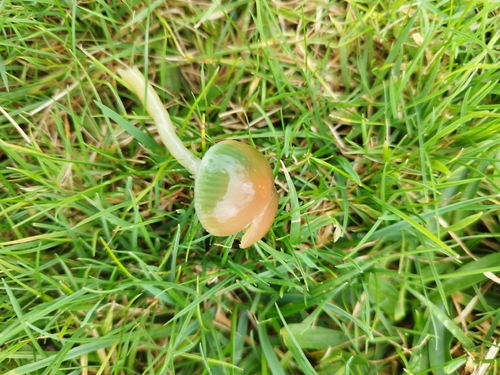
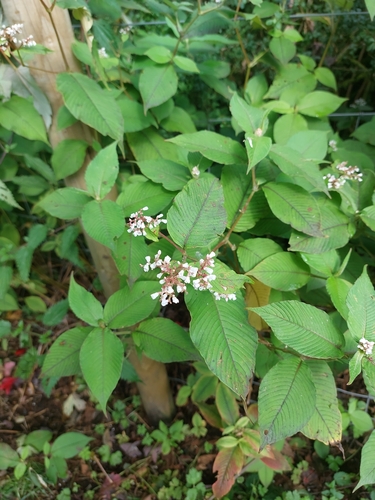
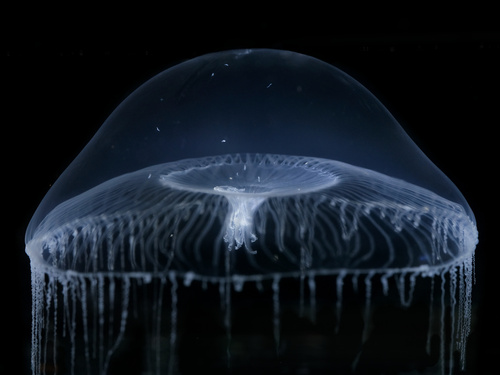
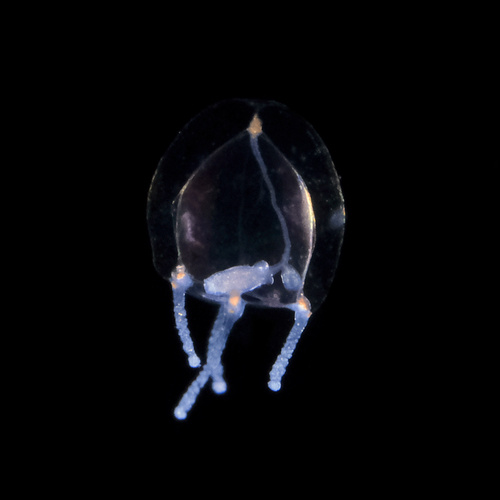
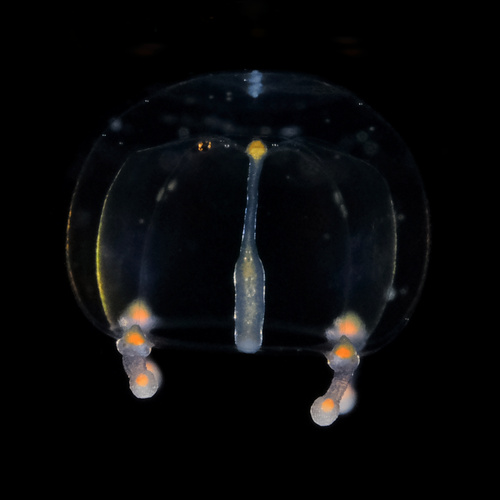
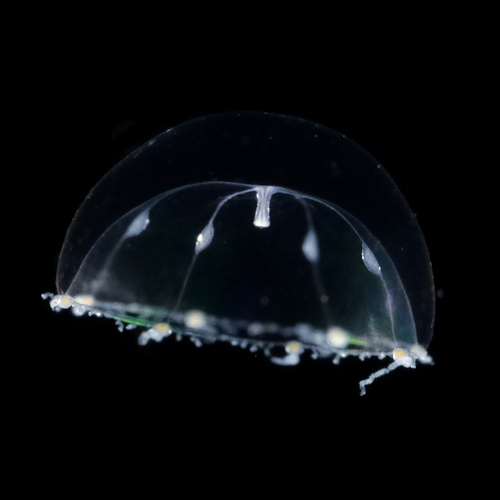
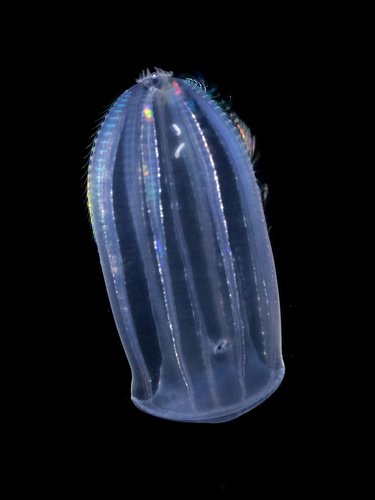
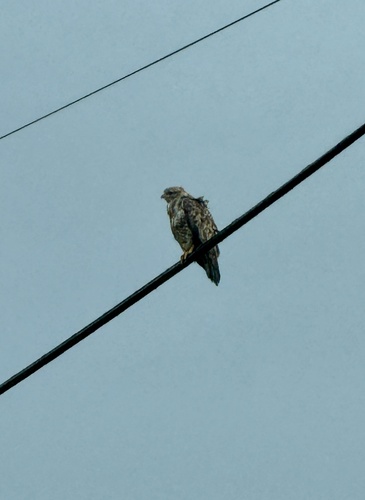
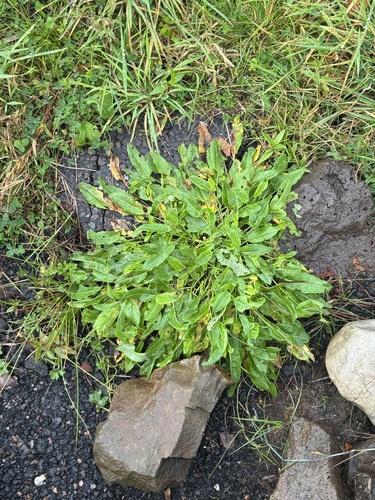
Research-grade observations from iNaturalist (within ~15 mi).
Events
Gallery
Official Identifiers
ONS — UK Office for National Statistics
- ONS code
- osgb4000000074551583
- Local type
- Town
- Region
- Scotland
api.postcodes.io / OS Open Names
Sources
- • Wikipedia
- • iNaturalist
- • Open-Meteo / sunrise-sunset.org
- • Wikipedia Pageviews API
- • Open Library
- • ONS / OS Open Names — UK official place gazetteer, via api.postcodes.io (OS code, local type, county/unitary, district/borough, region)
- • ONS — UK Office for National Statistics — api.postcodes.io / OS Open Names