Browse / Uruguay / Canelones / 18 de Mayo
18 de Mayo
Canelonescity
Total population
22,592
Demographic figures from INE Uruguay. Overview below cites Wikipedia and may reference a different year.
City facts
Overview
Set in Canelones, Uruguay, 18 de Mayo is recorded in open geodata as a city. Coordinates of -34.699°, -56.216° situate 18 de Mayo in the warm-temperate zone of the southern hemisphere. Public datasets list a population of roughly 22,592. Solar-resource estimates put the area at about 1,766 kWh/m² of solar irradiance per year with sunshine for roughly 69% of daylight hours. Based on its warm temperate position, residents likely encounter warm summers and cool winters. Additional figures on demographics, climate, geography and points of interest appear in the sections that follow, all drawn from open public datasets.
Summary composed automatically from structured open data on this page. See our Terms for details.
History & geography
Geography
Coordinates & boundaries from the US Census TIGER/Line shapefiles.
Climate
Air quality
Walkability
Amenities nearby
Wildlife & biodiversity
Most-observed species
- Great KiskadeePitangus sulphuratus (Linnaeus, 1766) · Aves1,791
- Southern LapwingVanellus chilensis (Molina, 1782) · Aves1,769
- Rufous HorneroFurnarius rufus (Gmelin, 1788) · Aves1,669
- Picazuro PigeonPatagioenas picazuro (Temminck, 1813) · Aves1,649
- Rufous-collared SparrowZonotrichia capensis (P.L.S.Müller, 1776) · Aves1,412
- Monk ParakeetMyiopsitta monachus (Boddaert, 1783) · Aves1,374
- Southern CaracaraCaracara plancus (J.F.Miller, 1777) · Aves1,104
- Eared DoveZenaida auriculata (Des Murs, 1847) · Aves1,099
Citizen-science & research observations from the Global Biodiversity Information Facility (GBIF).
Earthquake history
Events from the USGS Earthquake Catalog (global) (FDSN Event Web Service).
Photos
Sights & places nearby
Notable people from here


People born within ~10 km, from Wikidata (CC0). Click any name for their Wikipedia article.
Nearby places in Canelones
Geography & sun
Elevation, sunrise/sunset and daylight from Open-Meteo. Solar climatology from NASA POWER.
Nearby airports
Public attention
Books about 18 de Mayo
Search results from Open Library.
Recent natural events nearby
Ground air-quality sensors
Recently spotted species
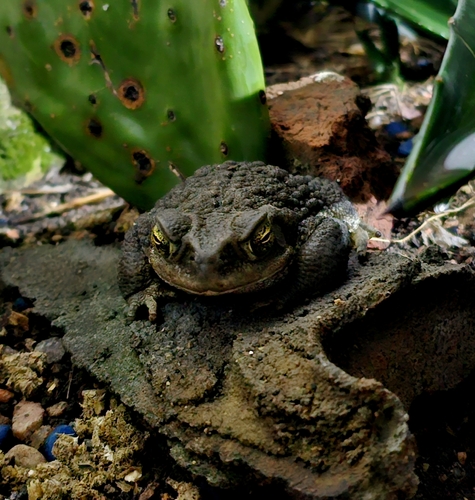
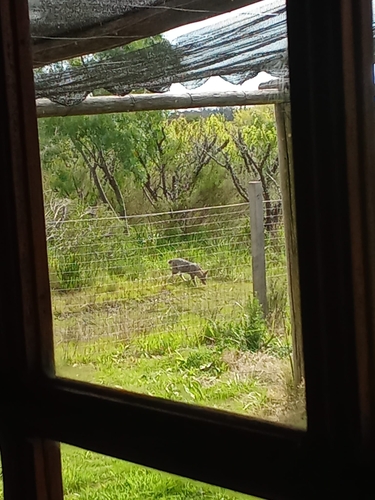

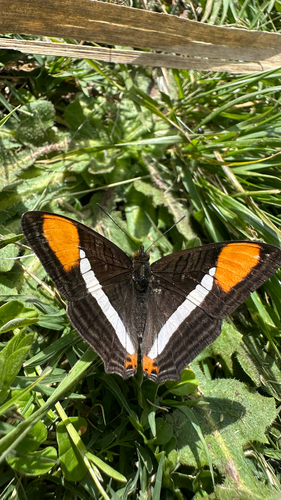
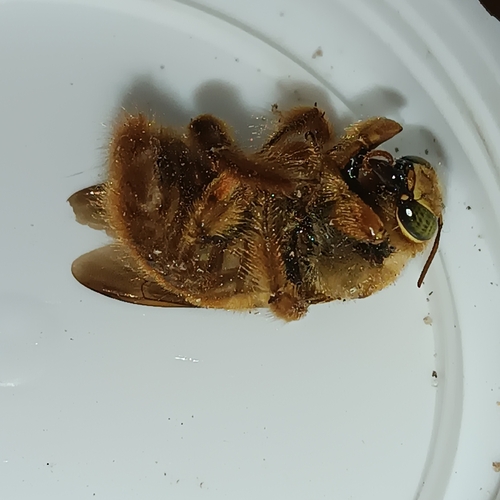
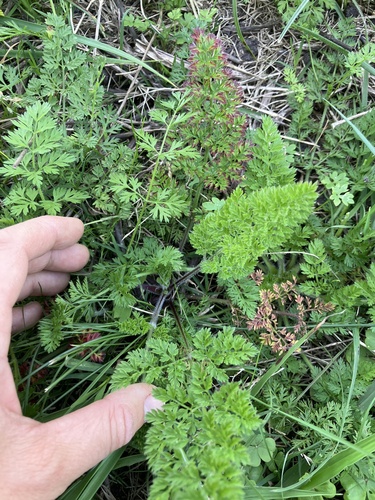
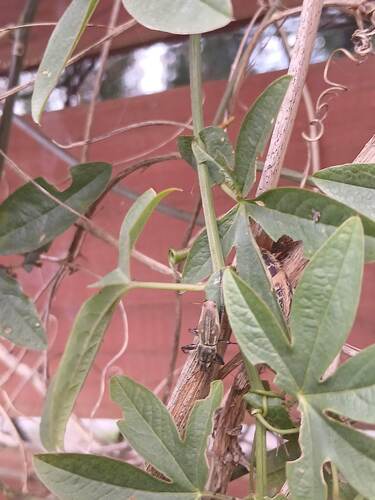
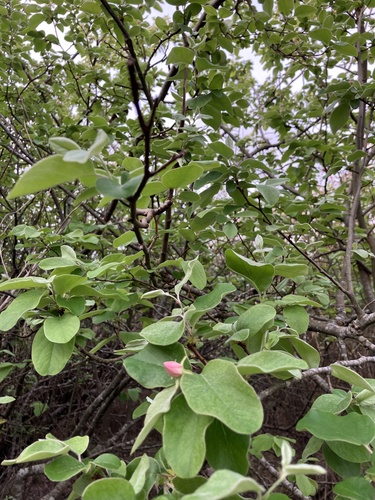

Research-grade observations from iNaturalist (within ~15 mi).
Events
Gallery
Sources
- • Wikidata
- • USGS Earthquake Catalog (global feed)
- • GBIF (Global Biodiversity Information Facility)
- • iNaturalist
- • Open-Meteo / sunrise-sunset.org
- • Open Library