Browse / Benin / Mono / Grand-Popo
Grand-Popo
Monotown

Grand-Popo
Total population
57,636
Demographic figures from INSAE Benin. Overview below cites Wikipedia and may reference a different year.
City facts
Sister cities
Facts from Wikidata (CC0).
Overview
Grand-Popo is a town, arrondissement, and commune in the Mono Department of south-western Benin. The commune covers an area of 289 square kilometres and as at the 2013 Census had a population of 57,636 people.
Read more on WikipediaHistory & geography
History
Trade relations between the Grand-Popo region and Europe were already established in the 17th century, before Porto-Novo emerged as a competitor. Thanks to its position as a peninsula between the ocean and a branch of the Mono River, it was considered a relatively safe anchorage for the slave-based economy. Buildings—typically one-story houses made of fired brick with wooden floors—were concentrated in the Gbekon quarter, near the central market and facing the beach. Coastal erosion, a phenomenon that became severe in Grand-Popo from the late 1950s onward, has largely destroyed this architecture, now abandoned. Later constructions—early Catholic and Protestant missions built along the shore, as well as the first school—suffered the same fate. In the 10th century, slavery was practiced between African groups. It was carried out by local armies, occultists, and kings. Slavery in Africa served military purposes but also aimed to foster familiarity with groups considered more powerful at the time, notably through the capture of enslaved women during warfare. In the 17th century, Fon-speaking kings and military leaders from Djanglanmey dominated the region, facilitating the slave trade with Europeans. Grand-Popo thus served as a commercial post between Europe and Africa prior to the abolition of slavery by Western powers. There is an oral tradition associated with the traditional Azé of Kankèkpa-Djanglanmey. After oral transmission, history is preserved through books by writers, as well as through written, sung, or rapped poetry.
Excerpted from the corresponding Wikipedia article (CC BY-SA).
Geography
Coordinates & boundaries from the US Census TIGER/Line shapefiles.
Climate
Air quality
Walkability
Amenities nearby
Wildlife & biodiversity
Most-observed species
- Long-tailed CormorantMicrocarbo africanus (Gmelin, 1789) · Aves52
- Common SandpiperActitis hypoleucos (Linnaeus, 1758) · Aves45
- Little Egret/Western Reef-HeronEgretta garzetta (Linnaeus, 1766) · Aves43
- Pied KingfisherCeryle rudis (Linnaeus, 1758) · Aves42
- Black KiteMilvus migrans (Boddaert, 1783) · Aves41
- Western Reef-HeronEgretta gularis (Bosc, 1792) · Aves37
- Common GreenshankTringa nebularia (Gunnerus, 1767) · Aves33
- Cattle EgretBubulcus ibis (Linnaeus, 1758) · Aves32
Citizen-science & research observations from the Global Biodiversity Information Facility (GBIF).
Earthquake history
Most recent
- M 4.4 — 2009-09-1113 km NNE of Abomey-Calavi, Benin
Events from the USGS Earthquake Catalog (global) (FDSN Event Web Service).
Photos
Sights & places nearby
Notable people from here
Nearby places in Mono
Geography & sun
Nearby airports
Public attention
Books about this place
Recent natural events nearby
Ground air-quality sensors
Recently spotted species
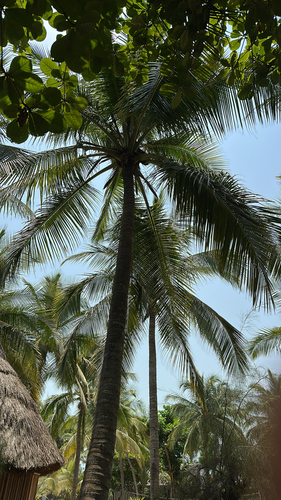
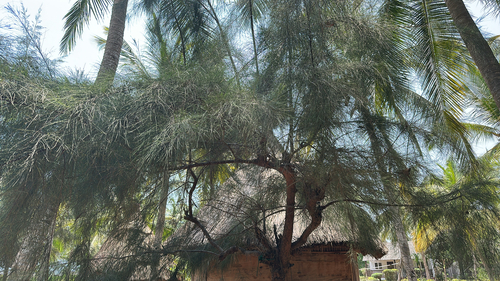
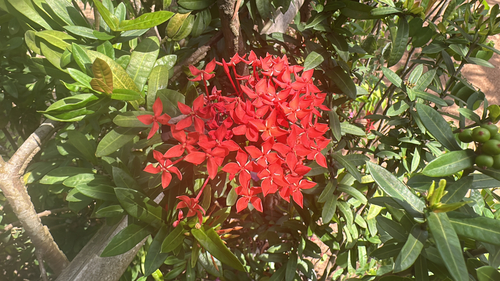
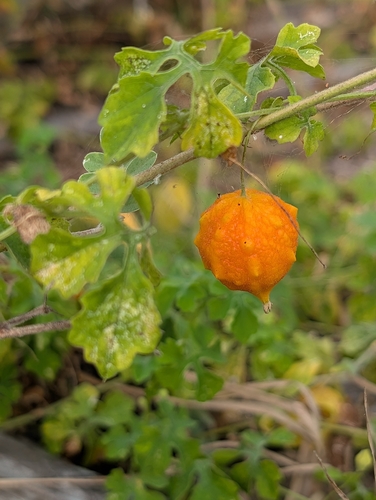
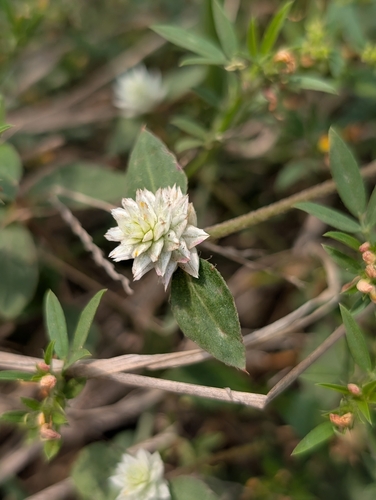
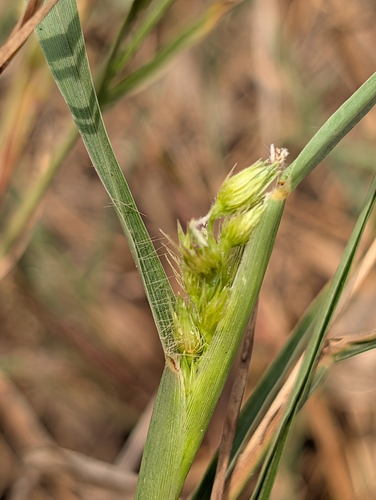
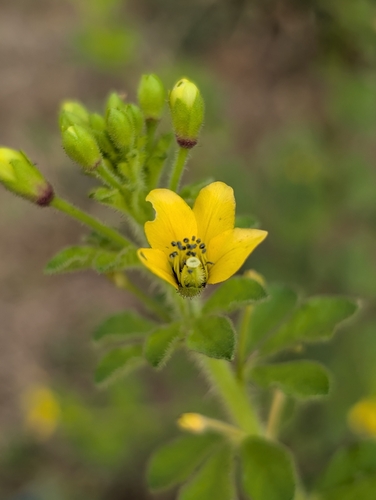
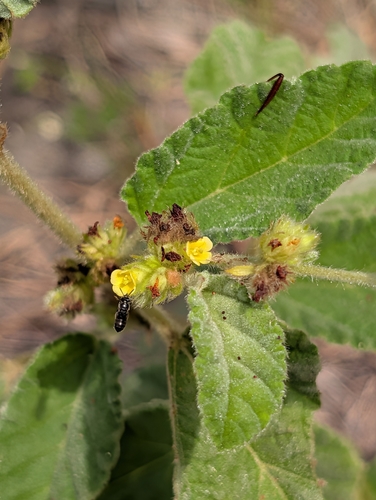
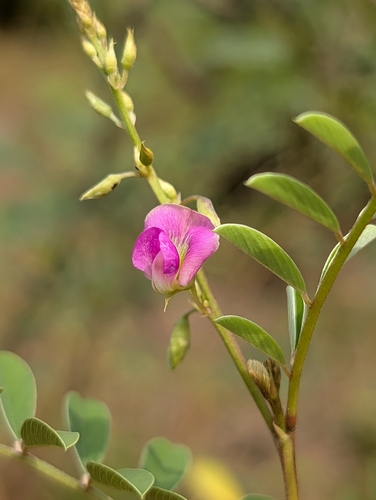
Research-grade observations from iNaturalist (within ~15 mi).
Events
Notable, recurring, and historical events associated with Grand-Popo, sourced from Wikidata.
- Q112058472festival
- Nonvitchaannual event
Source: Wikidata (CC0).
Gallery
Sources
- • Wikipedia
- • Wikidata
- • USGS Earthquake Catalog (global feed)
- • GBIF (Global Biodiversity Information Facility)
- • iNaturalist
- • Wikidata SPARQL (CC0) — population, area, elevation, inception, head of government, Commons image