Browse / Canada / Ontario / St. Jacobs
St. Jacobs
Ontariovillage

St. Jacobs
Total population
1,959
Demographic figures from Statistics Canada. Overview below cites Wikipedia and may reference a different year.
City facts
Overview
St. Jacobs is an unincorporated suburban community in the township of Woolwich in Waterloo Regional Municipality, Ontario, Canada. It is located north of the city of Waterloo. It is a popular location for tourism, due to its quaint appearance, retail focus, and Mennonite heritage. Waterloo Region is still home to the largest population of Old Order Mennonites in Canada, particularly in the areas around St Jacobs and Elmira. They are often seen on the local roads using their traditional horse and buggy transportation; many also use horses to pull the implements in their farm fields.
Read more on WikipediaHistory & geography
History
The two settlements near St. Jacobs were Conestoga and Winterbourne. The latter was settled primarily by English and Scots while St. Jacobs, like Conestoga, was primarily Germanic. This area on the Conestogo River was settled starting in 1830. Early arrivals included the Simon Cress family, Abraham Erb, John Baumann (or Bauman), and Charles Derksen. A significant influx did not happen until the early 1850s. Most of the settlers were Mennonites from Pennsylvania, so-called Pennsylvania Dutch. The word "Dutch" does not refer to the Netherlands but is a misnomer for Deitsch or Deutsch (German). They became known as "Old Order" Mennonites due to their conservative lifestyle. (Other Mennonites in the area have a less conservative lifestyle.) School lessons, even in 1860 were taught entirely in the local dialect of German. Valentine Ratz built the first sawmill to the west of the village in 1844 and the first school, in a log house, was founded in the same year. Jacob C. Snider, of Swiss German descent, built a sawmill, a flour-mill and a woollen-mill by 1852, after having built a dam. These features helped to attract others to the small community. When the settlement became a village, it was named Jakobstettel (Jacob's Village) in honour of Snider. The St. was added to the name Jacob simply to make it sound more pleasing; the pluralization was in honour of the combined efforts of Jacob C. Snider (1791–1865) and his son, Jacob C. Snider, Jr. (1822–1857). The younger Jacob lost his life in the Desjardins Canal train disaster at age 35. An 1851 report indicated that the village itself had a flour mill owned by Benjamin D. Snyder, a hotel, a blacksmith, a general store and a cooperage. The first post office opened in 1852, called St. Jacobs, with Joseph Eby as postmaster…
Excerpted from the corresponding Wikipedia article (CC BY-SA).
Geography
Coordinates & boundaries from the US Census TIGER/Line shapefiles.
Climate
Air quality
Walkability
Amenities nearby
Wildlife & biodiversity
Earthquake history
Photos
Sights & places nearby
Notable people from here
Nearby places in Ontario
Geography & sun
Elevation, sunrise/sunset and daylight from Open-Meteo. Solar climatology from NASA POWER.
Nearby airports
Public attention
Pageview totals from the Wikimedia Pageviews API.
Books about St. Jacobs


Search results from Open Library.
Recent natural events nearby
Ground air-quality sensors
Recently spotted species
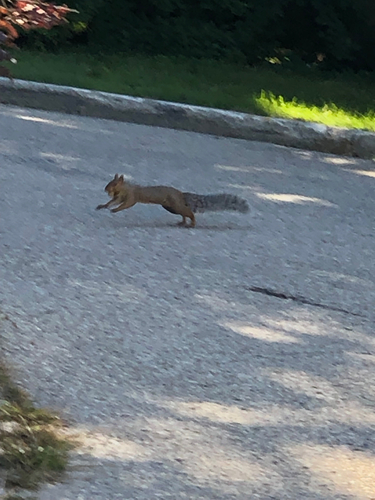
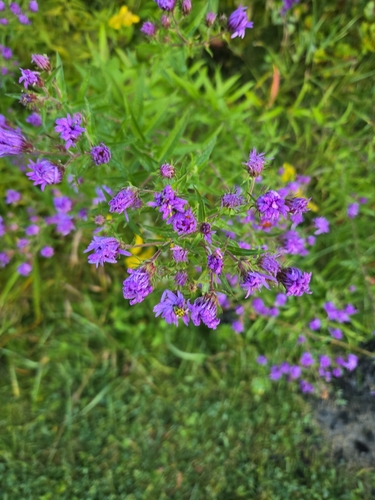


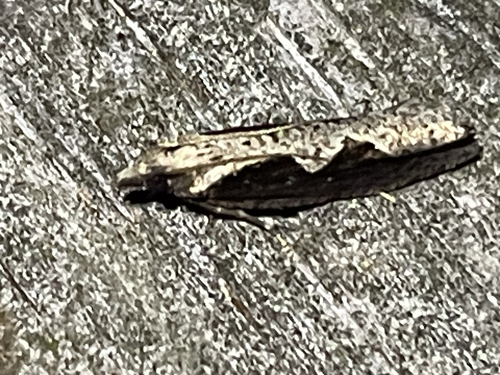
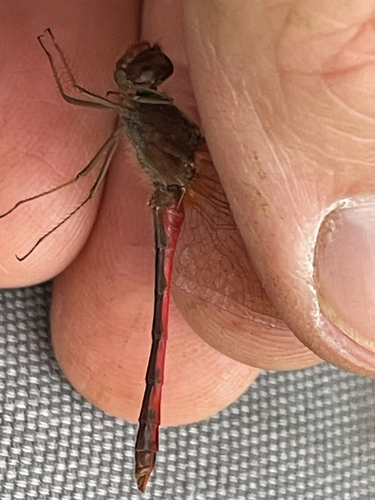
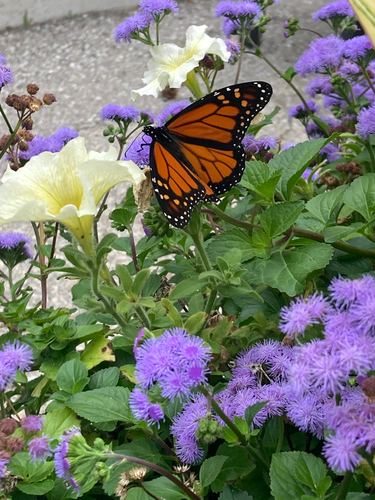
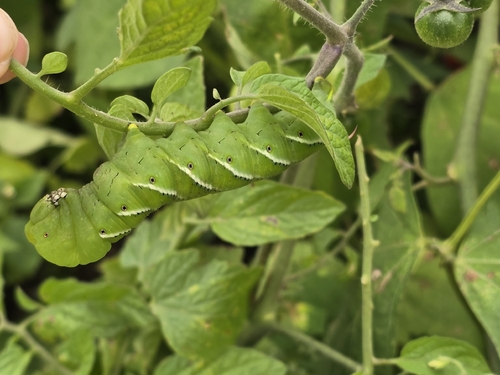
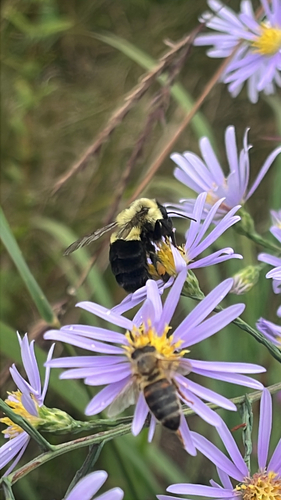
Research-grade observations from iNaturalist (within ~15 mi).
Events
Gallery
Sources
- • Wikipedia
- • iNaturalist
- • Open-Meteo / sunrise-sunset.org
- • Wikipedia Pageviews API
- • Open Library