Browse / Switzerland / Ticino / Lugano
Lugano
Ticinocity

Lugano
Total population
67,000
Demographic figures from Swiss Federal Statistical Office. Overview below cites Wikipedia and may reference a different year.
City facts
Overview
Lugano is a city and municipality within the Lugano District in the canton of Ticino, Switzerland. It is the largest city in both Ticino and the Italian-speaking region of southern Switzerland. Lugano is the ninth largest Swiss city proper, with a population of 63,691 as of 2025, and an urban agglomeration of over 150,000.
Read more on WikipediaHistory & geography
History
The shores of Lake Lugano have been inhabited since the Stone Age. Within the modern city limits (Breganzona, Castagnola, Davesco and Gandria) several ground stones or quern-stones have been found. In the area surrounding Lugano, items from the Copper Age and the Iron Age have been found. There are Etruscan monuments at Davesco-Soragno (5th to 2nd century BC), Pregassona (3rd to 2nd century BC), and Viganello (3rd to 2nd century BC). Graves with jewellery and household items have been found in Aldesago, Davesco, Pazzallo and Pregassona along with Celtic money in Viganello. The region around Lake Lugano was settled by the Romans by the 1st century BC. There was an important Roman town north of Lugano at Bioggio. During the fighting between Guelphs and Ghibellines and the new disputes between Como and Milan, during the 14th and 15th centuries, Lugano was the scene of clashes between opposing forces. After a long rule by the Rusca family, Lugano was freed from the domination of Como, which had been taken over in 1335 from the Visconti. At the same time, the link between the town and the valley strengthened. By 1405–06 documents attest to a vallis comunitas Lugani et, a governing body that was independent of Como. The new community included the parishes of Lugano, Agno, Riva San Vitale and Capriasca. In 1416 the Duke of Milan, Filippo Maria Visconti, conquered the region of Lugano and the Rusca valley and made it a fief. A year later, Lugano's freedoms were first documented in a series of statutes modelled on those of Como. The town was able to secure complete independence. File:Villa Favorita Lugano 01.JPG|Villa Favorita, built in 1687 for Karl Konrad von Beroldingen Lugano was the object of continuous disputes between the sovereigns of Como and Milan, in particular…
Geography
The municipality Lugano lies at the edge of Lake Lugano ( or ), which is situated between the lakes Lago Maggiore and Lago di Como, south of the Alps. It lies at the heart of the Sottoceneri, that part of the canton of Ticino that lies south of the Monte Ceneri Pass. The city centre is located on the lake shore just to the west of where the river Cassarate enters the lake. The city's waterfront forms a crescent around the bay between the Brè () and the San Salvatore () mountains. Lugano is amongst the warmest places in Switzerland, along with Locarno and Grono. Lugano has a humid subtropical climate (Köppen: Cfa) due to the warmer average being above 22 °C (71.6 °F). The vegetation is from the subtropics with deciduous forest. It is characterized by relatively mild winters and warm humid summers. It has an average of 98.1 days of rain or snow per year and on average receives of precipitation. The wettest month is May during which Lugano receives an average of of rain, while the driest month of the year is February with an average of of precipitation over 4.6 days. The heaviest rainfall tends to occur just before and just after the summer months. January typically has around 27 to 28 nights below freezing, though severe cold is rare and does not occur every year. Much of the summer is pleasant, but warm days above 30 °C (86 °F) are not uncommon (average of about 8 days). It usually snows every winter, but often a single snowfall doesn't leave more than 50 cm on the ground. Heavier snowfalls or blizzards are possible but not very common.
Excerpted from the corresponding Wikipedia article (CC BY-SA).
Geography
Coordinates & boundaries from the US Census TIGER/Line shapefiles.
Climate
Air quality
Walkability
Amenities nearby
Wildlife & biodiversity
Earthquake history
Photos
Sights & places nearby
Notable people from here


People born within ~10 km, from Wikidata (CC0). Click any name for their Wikipedia article.
Nearby places in Ticino
- Massagno0.7 mi away · pop. 6,119
- Sorengo0.8 mi away · pop. 1,861
- Paradiso1 mi away · pop. 3,893
- Savosa1.1 mi away · pop. 2,276
- Pazzallo1.4 mi away · pop. 1,523
- Muzzano1.4 mi away · pop. 844
- Vezia1.6 mi away · pop. 1,966
- Montagnola2.1 mi away
- Bioggio2.2 mi away · pop. 2,801
- Brè sopra Lugano2.3 mi away
- Cadempino2.3 mi away · pop. 1,512
- Carabbia2.3 mi away · pop. 606
Geography & sun
Elevation, sunrise/sunset and daylight from Open-Meteo. Solar climatology from NASA POWER.
Nearby airports
Public attention
Pageview totals from the Wikimedia Pageviews API.
Books about Lugano
Search results from Open Library.
Recent natural events nearby
Ground air-quality sensors
Recently spotted species
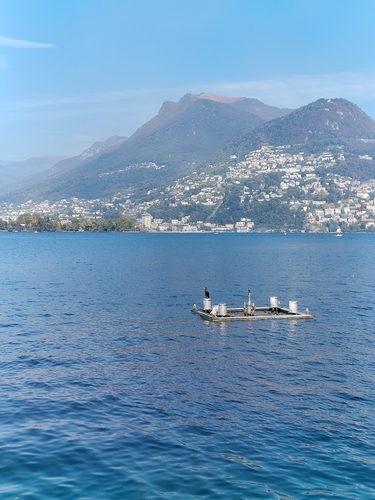
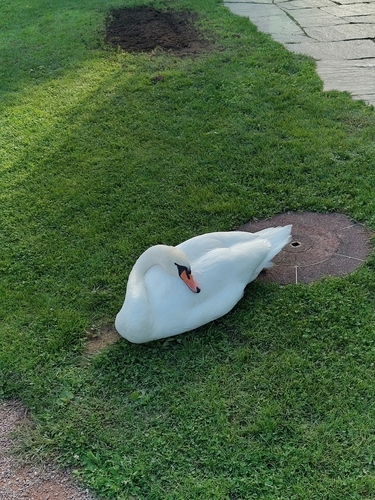
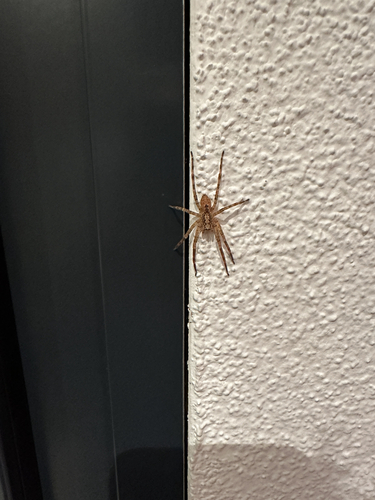
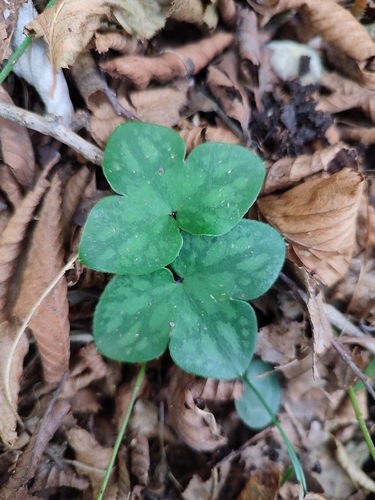
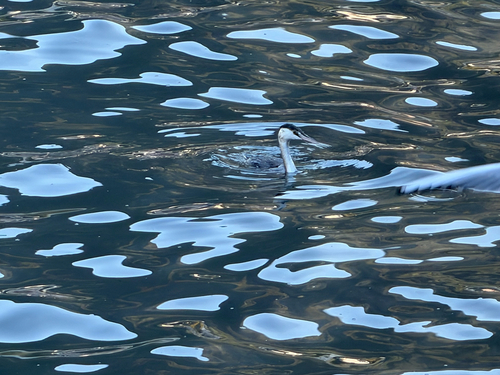
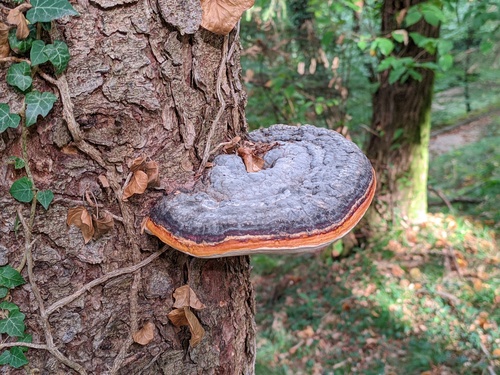
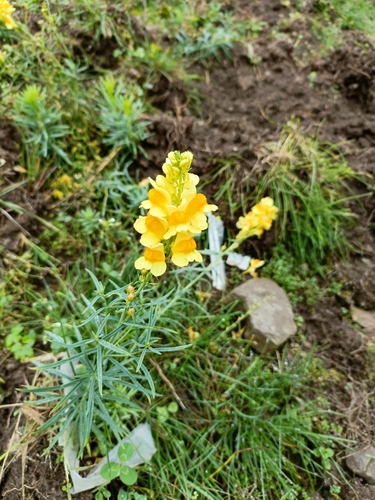
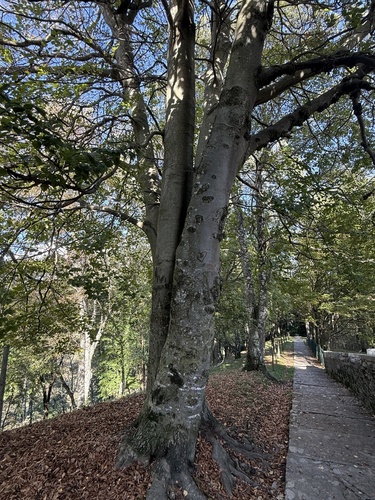
Research-grade observations from iNaturalist (within ~15 mi).
Events
Gallery
Official Identifiers
BFS — Swiss Federal Statistical Office
- BFS-Nr
- 5192
- Population (Wikidata)
- 63,495
- Wikidata
- Q7024
Gemeindenummer via Wikidata P771
Sources
- • Wikipedia
- • Wikidata
- • iNaturalist
- • Open-Meteo / sunrise-sunset.org
- • Wikipedia Pageviews API
- • Open Library
- • Wikidata SPARQL (CC0) — population, area, elevation, inception, head of government, Commons image
- • BFS — Swiss Federal Statistical Office — Gemeindenummer via Wikidata P771