Browse / Finland / Uusimaa / Helsinki
Helsinki
Uusimaacity

Helsinki
Total population
695,526

Founded
1550
Air quality index
Demographic figures from Statistics Finland. Overview below cites Wikipedia and may reference a different year.
City facts
Facts from Wikidata (CC0).
Overview
Helsinki, until about 1930 known in English by its Swedish name of Helsingfors, is the capital and most populous city in Finland. It is on the shore of the Gulf of Finland and is the seat of southern Finland's Uusimaa region. About 694,000 people live in the municipality, with 1.3 million in the capital region and 1.6 million in the metropolitan area. As the most populous urban area in Finland, it is the country's most significant centre for politics, education, finance, culture, and research. Helsinki is 80 kilometres (50 mi) north of Tallinn, Estonia, 400 kilometres (250 mi) east of Stockholm, Sweden, and 300 kilometres (190 mi) west of Saint Petersburg, Russia. Helsinki is a bilingual municipality with Finnish and Swedish as its official languages.
Read more on WikipediaHistory & geography
History
After the end of the Ice Age and the retreat of the ice sheet, the first settlers arrived in the Helsinki area around 5000 BC. Their presence has been documented by archaeologists in Vantaa, Pitäjänmäki and Kaarela. Permanent settlements did not appear until the beginning of the 1st millennium AD, during the Iron Age, when the area was inhabited by the Tavastians. They used the area for fishing and hunting, but due to the lack of archaeological finds it is difficult to say how extensive their settlements were. Pollen analysis has shown that there were agricultural settlements in the area in the 10th century, and surviving historical records from the 14th century describe Tavastian settlements in the area. Christianity does not gain a significant foothold in Finland before the 11th century. After that, a number of crosses and other objects related to Christianity can be found in archaeological material. According to the traditional view, the Kingdom of Sweden made three crusades to Finland, thanks to which the region was incorporated into both Christianity and the Swedish Empire. Recent research has shown that these expeditions, to the extent that there were even three of them, were not the crusades that had been imagined. Later, the conquest of Finland was justified in terms of "civilisation" and "christianisation", and the myth of the Crusades was developed. It is more likely that it was a multidimensional combination of economic, cultural and political power ambitions. The early settlements were raided by Vikings until 1008, and the Battle at Herdaler was a battle between the Norse Viking leader Olav Haraldsson (later King Olaf II of Norway, also known as Saint Olaf) and local Finns at Herdaler (now Ingå), not far from Helsinga, around 1007–1008. The Saga of Olaf…
Geography
Known as the "Daughter of the Baltic" or the "Pearl of the Baltic", Helsinki is located at the tip of a peninsula and on 315 islands. Outside the city centre, much of Helsinki consists of post-war suburbs separated by patches of forest. A narrow, long Helsinki Central Park, which stretches from the city centre to Helsinki's northern border, is an important recreational area for residents. Helsinki has approximately 12,000 boat berths and more than 15,000 hectares (37,000 acres; 58 sq mi) of fishing waters off its coast. About 60 species of fish are found in this area, and recreational fishing is popular. Helsinki's main islands include Seurasaari, Lauttasaari and Korkeasaari – the latter is home to Finland's largest zoo, Korkeasaari Zoo. The former military islands of Vallisaari and Isosaari are now open to the public, but Santahamina is still in military use. The most historic and remarkable island is the fortress of Suomenlinna (Sveaborg), which has been a UNESCO World Heritage Site since 1991. The island of Pihlajasaari is a popular summer resort, comparable to Fire Island in New York City. Helsinki has 80 nature reserves with a combined area of 1,480.46 hectares (3,658 acres). Nature reserves account for 4.6% of the city's land area. Helsinki also has nature reserves on land owned by the city in other municipalities, including Espoo, Sipoo, Hanko and Ingå. The city's first nature reserve, Tiiraluoto of Lauttasaari, was established in 1948. Helsinki's official plant is the Norway maple and its official animal is the red squirrel. The Helsinki capital region (, ) comprises four municipalities: Helsinki, Espoo, Vantaa, and Kauniainen. The Helsinki urban area is considered to be the only metropolis in Finland. It has a population of about million, and is the most…
Excerpted from the corresponding Wikipedia article (CC BY-SA).
Geography
Coordinates & boundaries from the US Census TIGER/Line shapefiles.
Climate
10-year averages from ERA5 reanalysis (Open-Meteo).
Air quality
Current readings from Open-Meteo Air Quality API (Copernicus CAMS European reanalysis).
Walkability
Amenities nearby
Wildlife & biodiversity
Most-observed species
- Eurasian Blue TitCyanistes caeruleus (Linnaeus, 1758) · Aves24,139
- Great TitParus major Linnaeus, 1758 · Aves21,723
- Eurasian BlackbirdTurdus merula Linnaeus, 1758 · Aves18,840
- Hooded CrowCorvus cornix Linnaeus, 1758 · Aves14,800
- Mew GullLarus canus Linnaeus, 1758 · Aves12,636
- MallardAnas platyrhynchos Linnaeus, 1758 · Aves12,324
- Common ChaffinchFringilla coelebs Linnaeus, 1758 · Aves10,855
- House SparrowPasser domesticus (Linnaeus, 1758) · Aves10,730
Citizen-science & research observations from the Global Biodiversity Information Facility (GBIF).
Earthquake history
Most recent
- M 2.6 — 2011-03-19Finland
Events from the USGS Earthquake Catalog (global) (FDSN Event Web Service).
Photos

Erottaja, Helsinki

Erottaja 1800-luvun lopulla

Erottaja 250x188

Bulevardi 1 - Mannerheimintie 2, Helsinki

Erottaja Kolmikulma

Wayfinding (44555813802)

Facade preservation (28437482388)

Entrance to underground parking (41408748545)

Pole-mounted street sign (41408756295)

Cars turn across median trackway (41408752115)

Matkustajia nousemassa Lauttasaaren linjan 20 linja-autoon Erottajan lähtölaiturissa - - hkm.HKMS000005-km0020i5

Erottaja square in Helsinki, Finland, 2021 June
Geo-tagged photos from Wikimedia Commons (CC-licensed; click any photo for license details).
Sights & places nearby
Notable people from here


People born within ~10 km, from Wikidata (CC0). Click any name for their Wikipedia article.
Nearby places in Uusimaa
Geography & sun
Elevation, sunrise/sunset and daylight from Open-Meteo. Solar climatology from NASA POWER.
Nearby airports
Public attention
Pageview totals from the Wikimedia Pageviews API.
Books about this place
Recent natural events nearby
Ground air-quality sensors
Recently spotted species
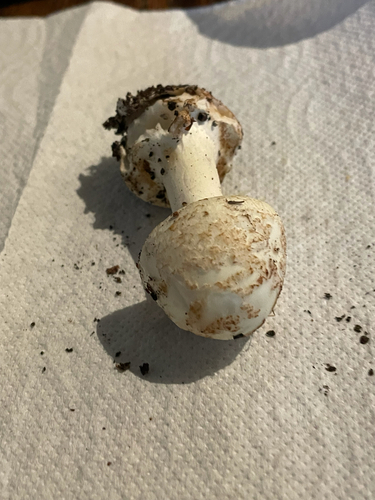
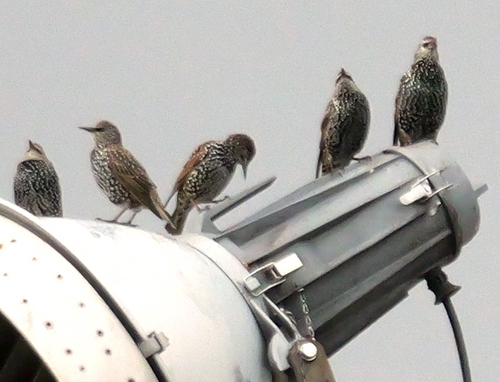
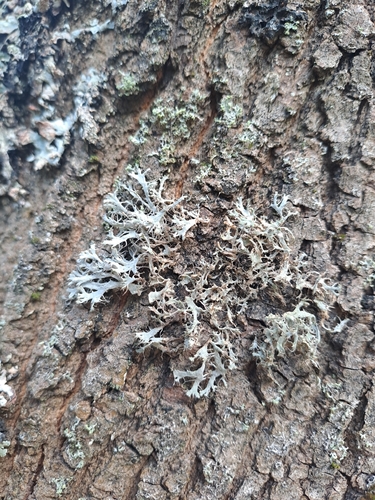
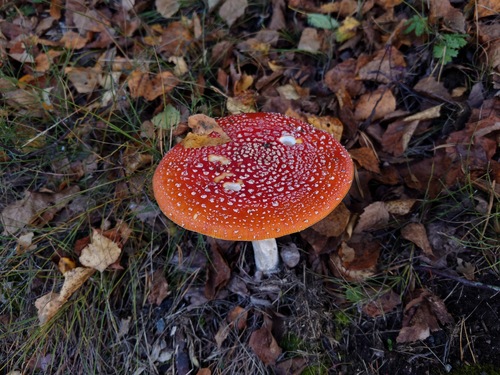
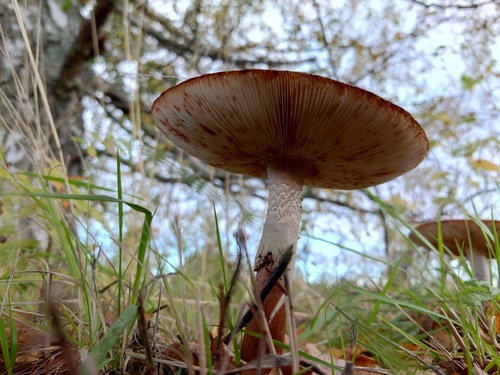
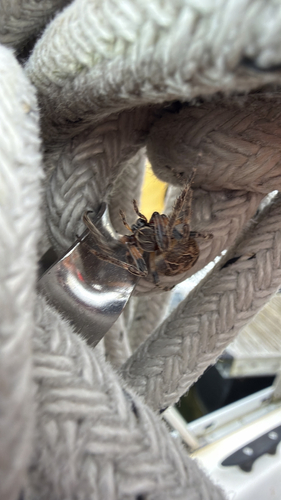
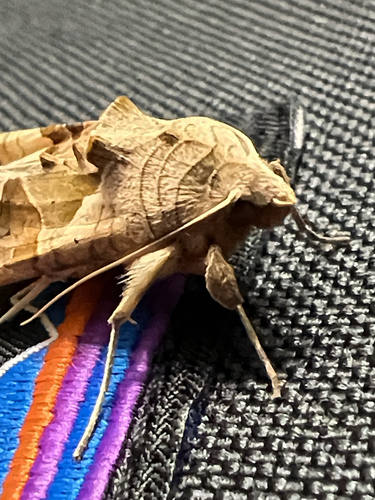
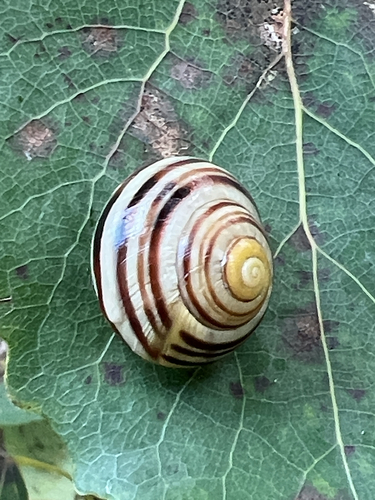
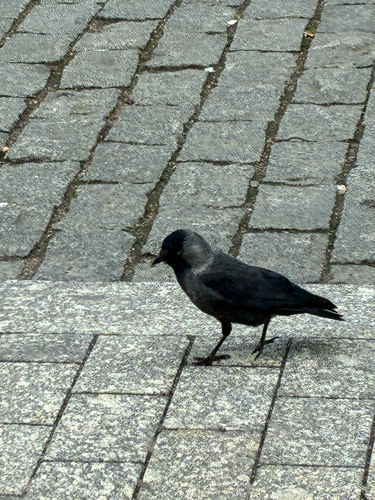
Research-grade observations from iNaturalist (within ~15 mi).
Events
Notable, recurring, and historical events associated with Helsinki, sourced from Wikidata.
- Smash ASEMSep 9, 2006demonstration
attempted street protest in Helsinki, 9 September 2009, which was blockaded by the police and the border guard before it started
- 2005 World Championships in Athletics – men's 200 metresAug 9, 2005sporting event
Athletics discipline event at an athletics meeting
- Aug 6, 2005
- 2005 World Championships in Athletics – men's 4 × 100 metres relayJan 1, 2005sporting event
2005 World athletics championships
- 2005 World Championships in Athletics – men's shot putJan 1, 2005sporting event
shot Put event held in Helsinki, Finland
- Jan 1, 2005
- Jan 1, 2005
- Jan 1, 2005
- Jan 1, 2005
- Jan 1, 2005
- 2005 World Championships in Athletics – men's 400 metresJan 1, 2005sporting event
- Jan 1, 2005
- Jan 1, 2005
- Jan 1, 2005
- Jan 1, 2005
- Jan 1, 2005
- Jan 1, 2005
- 2005 World Championships in Athletics – men's 800 metresJan 1, 2005sporting event
- 2005 World Championships in Athletics – men's decathlonJan 1, 2005sporting event
- 1983 World Championships in Athletics – women's javelin throwAug 1, 1983sporting event
javelin throwing competition
Source: Wikidata (CC0).
Gallery
Geotagged photos within ~6 miles of Helsinki, from Wikimedia Commons contributors.


Photos via Wikimedia Commons — see each image page for license & attribution.
Official Identifiers
Tilastokeskus — Statistics Finland
- Kuntanumero
- FIHEL
- Population (Wikidata)
- 694,392
- Wikidata
- Q1757
Kuntanumero via Wikidata P1937
Sources
- • Wikipedia
- • Open-Meteo (ERA5 reanalysis)
- • Wikimedia Commons
- • Wikidata
- • Open-Meteo Air Quality (CAMS)
- • USGS Earthquake Catalog (global feed)
- • GBIF (Global Biodiversity Information Facility)
- • iNaturalist
- • Open-Elevation
- • Open-Meteo / sunrise-sunset.org
- • Wikipedia Pageviews API
- • Wikidata SPARQL (CC0) — population, area, elevation, inception, head of government, Commons image
- • Tilastokeskus — Statistics Finland — Kuntanumero via Wikidata P1937