Browse / Finland / Central Finland / Jyväskylä
Jyväskylä
Central Finlandcity

Jyväskylä
Total population
149,967
Founded
1837
Demographic figures from Statistics Finland. Overview below cites Wikipedia and may reference a different year.
City facts
Sister cities
Facts from Wikidata (CC0).
Overview
Jyväskylä is a city in Finland and the regional capital of Central Finland. It is located in the Finnish Lakeland. The population of Jyväskylä is approximately 150,000, while the sub-region has a population of approximately 193,000. It is Finland's 7th most populous municipality, and fifth most populous urban area.
Read more on WikipediaHistory & geography
History
In the Jyväskylä region, there are archeological findings from the Stone Age. According to the oldest available taxation documents (maakirja), there were seven estates on the Jyväskylä region in 1539. One of them, the estate of Mattila, alone possessed the areas stretching from the village of Keljo to the villages of Vesanka and Palokka. The oldest estate in Jyväskylä continuously held by the same family is the estate of Lahti, which emerged when the estate of Mattila was split between two brothers in 1600. The history of the Lahti family and estate have had a significant impact on the development of Jyväskylä region. Lahdenrinne, in the south-west corner of Jyväsjärvi lake, belongs to the old heartland of the estate of Lahti. The name Jyväskylä was mentioned in 1575 as Jyueskylä. Its name is derived from the lake Jyväsjärvi. A shorter form of the name, Jyväs (written Jyuexe) was mentioned slightly earlier in 1565 and again (this time written Jyues) in 1570. The City of Jyväskylä was founded on 22 March 1837, when Emperor of Russia and Grand Duke of Finland, Nicholas I of Russia, signed the charter of the city and the infrastructure was essentially built from scratch; before that, Jyväskylä was a village belonging to the larger rural municipality of Laukaa, being the largest village of the whole parish. At the times Finnish military battalion Suomen kaarti participated under his rule in military operations against the Polish November Uprising and later in Hungary, Turkey and Bessarabia (today Moldova). While Nicholas I of Russia abolished many autonomous areas, it has been argued, that the loyalty of Finnish military influenced his approach towards Finnish autonomy. The original town was built between Lake Jyväsjärvi (which is connected to Lake Päijänne) and the…
Geography
Jyväskylä is located on the northern coast of Lake Päijänne, north-east of Tampere, south-west of Kuopio and north of Helsinki. The hilly and forested terrain in Jyväskylä is surrounded by hundreds of lakes. To reach Jyväskylä from the east, one needs to go through or pass the hill Kanavuori, which used to host a military depot full of ammunition and armaments. Jyväskylä is located in the Finnish Lakeland. There are 328 lakes in the city, and lakes and rivers constitute 20,1% () of the total area of the city. The city's largest lakes include Päijänne, Leppävesi, Tuomiojärvi, Palokkajärvi, Luonetjärvi, and Alvajärvi. The city center is located on the shores of Jyväsjärvi. Jyväsjärvi_view_from_Kuokkala_bridge.jpg|View over lake Jyväsjärvi from Kuokkala bridge Jyväsjärvi_in_winter.jpg|Frozen lake Jyväsjärvi in winter Lake_Päijänne_view_from_Säynätsalo.jpg|Northern lake Päijänne near Säynätsalo Aijalansalmi.jpg|Channel connecting lakes Jyväsjärvi and Päijänne Vaajavirta_Naissaari.jpg|View on Vaajavirta river from Naissaari island Tuomiojärvi_Jyväskylä.jpg|Lake Tuomiojärvi Tourujoki_summer.jpg|Tourujoki in summertime Tourujoki_winter.jpg|Tourujoki in wintertime The landscape in Jyväskylä is hilly, forested and full of waters. The architect Alvar Aalto compared the hilly landscape of Jyväskylä to Toscana in Italy: "The slope of Jyväskylä ridge is almost like the mountain vineyards of Fiesole". The defined climate is subarctic continental (Köppen: Dfc). Because of its northern location, winters are long, snowy, cold, and dark. During midwinter, the city receives daylight for only around five hours. Summers are mild, with the average daily maximum temperature being in July. During the summer, Jyväskylä experiences long daylight and white nights i.e. midnight twilight.
Excerpted from the corresponding Wikipedia article (CC BY-SA).
Geography
Coordinates & boundaries from the US Census TIGER/Line shapefiles.
Climate
Air quality
Walkability
Amenities nearby
Wildlife & biodiversity
Earthquake history
Photos
Sights & places nearby
Notable people from here


People born within ~10 km, from Wikidata (CC0). Click any name for their Wikipedia article.
Nearby places in Central Finland
- Alvajärvi84.1 mi away
- Tići1238.6 mi away · pop. 48
- Hlevci1240.9 mi away · pop. 17
- Homer1246 mi away · pop. 272
- Studena1246.4 mi away · pop. 382
- Zarnevo1287.5 mi away · pop. 1,300
- Azinhal2225.6 mi away · pop. 271
- Vaqueiros2226.5 mi away · pop. 58
- Cabanas de Tavira2238.2 mi away
- Santo Estêvão2241.8 mi away
- Querença2244.6 mi away · pop. 35
- Moncarapacho2246.3 mi away · pop. 1,192
Geography & sun
Nearby airports
Public attention
Books about this place
Recent natural events nearby
Ground air-quality sensors
Recently spotted species
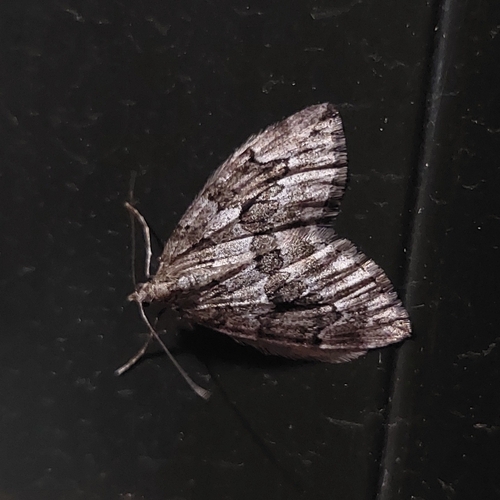
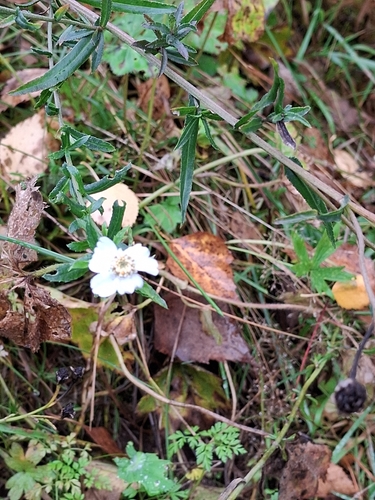
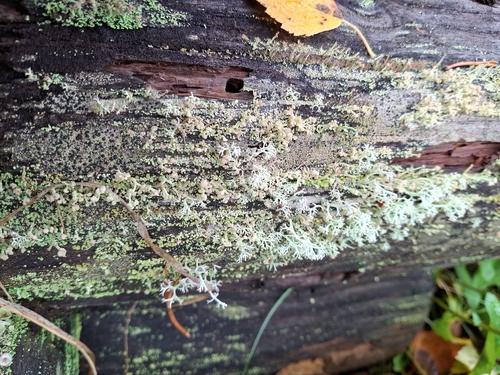
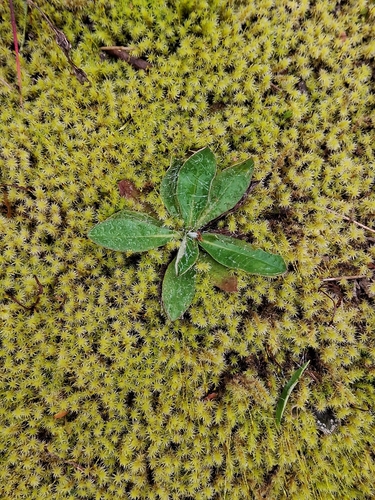
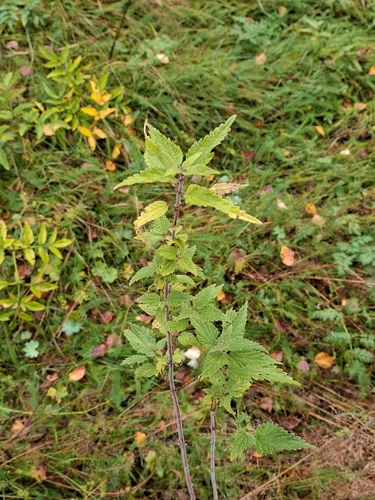
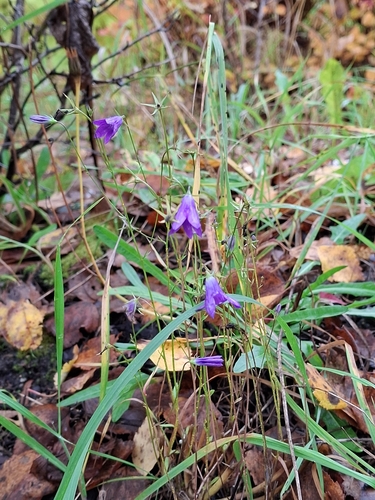
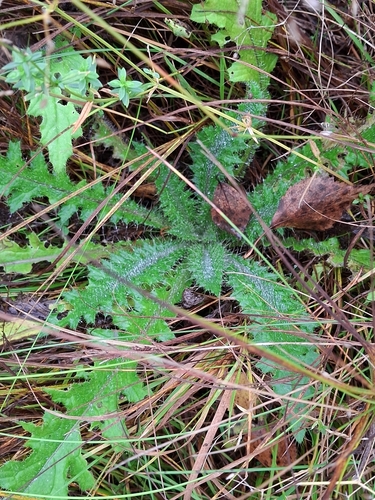
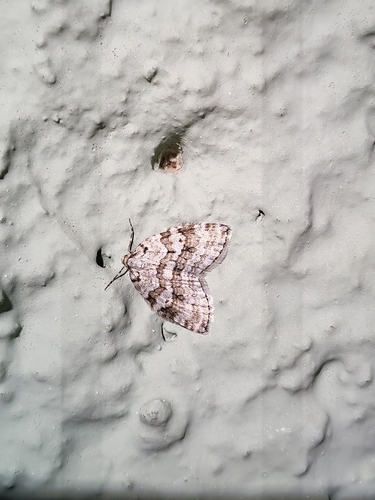
Research-grade observations from iNaturalist (within ~15 mi).
Events
Gallery
Official Identifiers
Tilastokeskus — Statistics Finland
- Kuntanumero
- FIJYV
- Population (Wikidata)
- 149,895
- Wikidata
- Q134620
Kuntanumero via Wikidata P1937
Sources
- • Wikipedia
- • Wikidata
- • iNaturalist
- • Wikidata SPARQL (CC0) — population, area, elevation, inception, head of government, Commons image
- • Tilastokeskus — Statistics Finland — Kuntanumero via Wikidata P1937