Browse / Zimbabwe / Midlands / Kwekwe
Kwekwe
Midlandscity

Kwekwe
Total population
93,072
Founded
1898
Air quality index
Demographic figures from ZIMSTAT. Overview below cites Wikipedia and may reference a different year.
City facts
Facts from Wikidata (CC0).
Overview
Kwekwe, formerly known as Que Que, is a city in the Midlands province in central Zimbabwe. The city has a population of 119,863 within the city limits, as of the 2022 census, making it the 7th-largest city in Zimbabwe and the second-most populous city in the Midlands, behind Gweru.
Read more on WikipediaHistory & geography
History
The town was founded in 1898 as a gold mining town, and hosts Zimbabwe's National Mining Museum. Like much of the Midlands, KweKwe owes its prosperity to the Great Dyke and its mineral wealth which stretches down to Gwanda, some 500 km southwest. The towns name originates from the large population of croaking frogs that populated the Kwekwe river in the early 1900s, hence its original name Que Que. The promise of wealth at the time attracted thousands of speculators from as far afield as Australia and New Zealand. Though the amount of gold found was underwhelming, deposits of chrome, and the production of iron, steel, aluminum and glass, have kept the city growing since. KweKwe remains an industrial centre of the country. The name stems from the Zulu word "isikwekwe", which means "scurvy", "mange" or "scab". In recent years, the area has attempted to diversify its economic base to education, tourism, and services, attracting a growing campus of Midlands State University, though its tourism industry remains at infancy, compared to larger cities. Although Kwekwe has successfully diversified its economy and continues to grow, especially compared to de-industrialising Bulawayo, the city continues to face the same economic challenges facing the rest of the country.
Geography
The town is situated on Zimbabwe's Highveld at an altitude of , above sea level. It is located in the tropics but its high altitude modifies this to a warm temperate or humid subtropical climate. The average annual temperature is . As with much of the Highveld, summers are long and pleasant, as the temperature depends on the amount of cloudiness and indirectly the amount of rain received. Drought years are hotter than wetter years. The climate is hot and wet during the summer rainy season from mid November to mid March, with cool, dry weather from May to mid-August in the winter season, and warm dry weather from August to mid November. During summertime, the average temperature is around 25 °C (77 °F) at daytime, but it can get above 30 °C (86 °F) on the hottest days. Winters are characterised mainly by their cold nights, with an average minimum temperature of , and are the sunniest time of the year. During winter, cold fronts from the Indian Ocean to the southeast, bringing cool, drizzly weather, often peaking in August and early September. They can move very quickly, bringing cloudy weather one day, followed by mild sunshine the next. Kwekwe's weather is also influenced by the air masses from the north in summer, bringing hot and dry weather in October, followed by summer rain.
Excerpted from the corresponding Wikipedia article (CC BY-SA).
Geography
Coordinates & boundaries from the US Census TIGER/Line shapefiles.
Climate
Air quality
Current readings from Open-Meteo Air Quality API (Copernicus CAMS European reanalysis).
Walkability
Amenities nearby
Wildlife & biodiversity
Most-observed species
- Fork-tailed DrongoDicrurus adsimilis (Bechstein, 1794) · Aves20
- Pied CrowCorvus albus Statius Muller, 1776 · Aves15
- Common BulbulPycnonotus barbatus (Desfontaines, 1789) · Aves15
- White-fronted Bee-eaterMerops bullockoides A.Smith, 1834 · Aves14
- Natal FrancolinPternistis natalensis (A.Smith, 1833) · Aves12
- Black-collared BarbetLybius torquatus (Dumont, 1805) · Aves12
- Southern CordonbleuUraeginthus angolensis (Linnaeus, 1758) · Aves12
- Red-eyed DoveStreptopelia semitorquata (Rüppell, 1837) · Aves12
Citizen-science & research observations from the Global Biodiversity Information Facility (GBIF).
Earthquake history
Events from the USGS Earthquake Catalog (global) (FDSN Event Web Service).
Photos
Sights & places nearby
Notable people from here


People born within ~10 km, from Wikidata (CC0). Click any name for their Wikipedia article.
Nearby places in Midlands
- Senkwasi Village32.8 mi away
- Loreto Mission33.6 mi away
- Munyati St Peter's Business Centre37.9 mi away
- Moyomusante Mission69.2 mi away
- Marysville8217.2 mi away
- Marine City8218.4 mi away
- Lexington8219.7 mi away
- Port Sanilac8220 mi away
- Forestville8223.1 mi away
- Croswell8223.7 mi away
- Ruby8223.7 mi away
- Applegate8224.8 mi away
Geography & sun
Elevation, sunrise/sunset and daylight from Open-Meteo. Solar climatology from NASA POWER.
Nearby airports
Public attention
Pageview totals from the Wikimedia Pageviews API.
Books about this place
Recent natural events nearby
Ground air-quality sensors
Recently spotted species
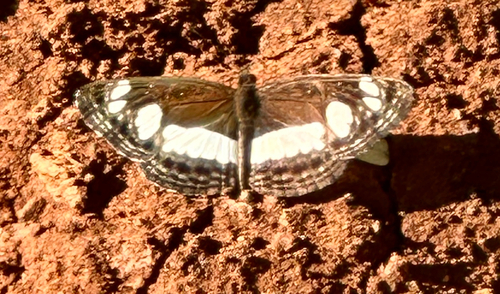
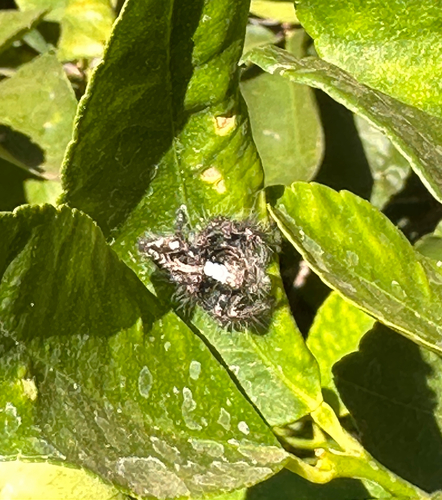
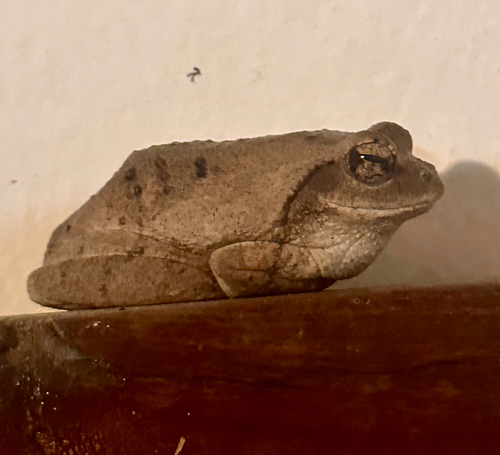
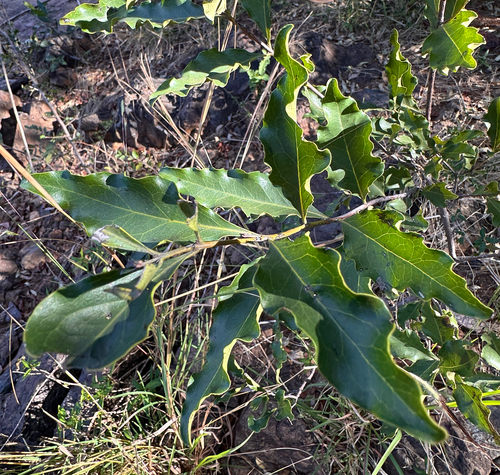
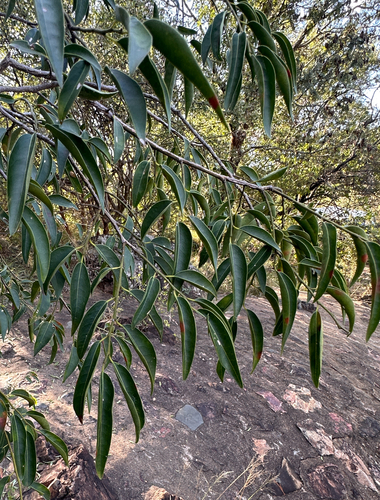
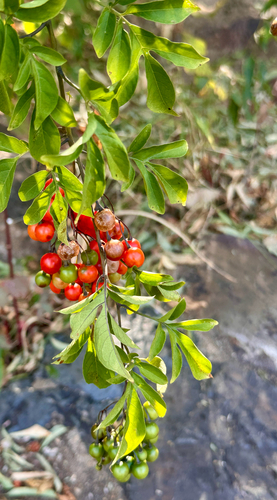
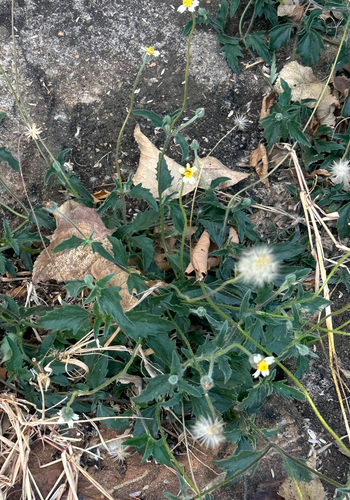
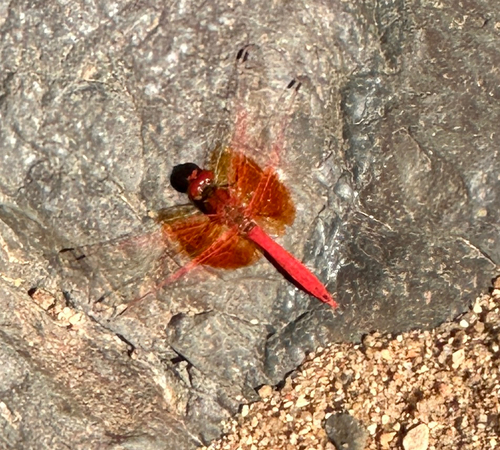
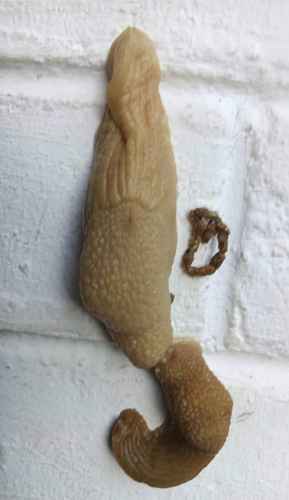
Research-grade observations from iNaturalist (within ~15 mi).
Events
Gallery
Sources
- • Wikipedia
- • Wikidata
- • Open-Meteo Air Quality (CAMS)
- • USGS Earthquake Catalog (global feed)
- • GBIF (Global Biodiversity Information Facility)
- • iNaturalist
- • Open-Meteo / sunrise-sunset.org
- • Wikipedia Pageviews API