Browse / France / Grand Est / Senones
Senones
Grand Estvillage

Senones
Total population
2,364
Demographic figures from INSEE. Overview below cites Wikipedia and may reference a different year.
City facts
Overview
The Senones or Senonii were an ancient Gallic tribe dwelling in the Seine basin, around present-day Sens, during the Iron Age and the Roman period.
Read more on WikipediaHistory & geography
History
According to a legend recounted by Livy, they joined Bellovesus's migrations towards Italy around 600 BC, together with the Aeduii, Ambarri, Arverni, Aulerci, and Carnutes. According to scholars Edward Togo Salmon and Timothy W. Potter, this account "is to be resisted on archaeological grounds". In 400 BC, they crossed the Alps and invaded Italy as far as Rome which they plundered. They retreated and, driving out the Umbrians, settled on the east coast of Italy. Their territory spanned from Forlì to Ancona and Terni, in Picenum or what was later the Ager Gallicus. They founded the town at Senigallia, which became their capital and occupied northern Picenum. In 391 BC, under the chieftain Brennus, they invaded Etruria and besieged Clusium. The Clusines appealed to Rome for aid. The Romans provided support, which constituted a violation of the law of nations. The ensuing war resulted in the defeat of the Romans at the Battle of the Allia (390 BC) and the sacking of Rome. For more than 100 years the Senones were engaged in Roman-Gallic wars, until in 284 BC the Gauls besieged Arretium, the Etruscan town that had agreed a truce for 40 years with the Romans in 294 BC. The Romans went to the assistance of the town and were beaten in a battle under its walls. Rome sent ambassadors to the Gauls but they killed them. The praetor Caecilius was sent with an army to avenge their murder but he was killed by the Etruscans and Gauls, together with 7 military and many nobles. Finally P. Cornelius Dolabella drove them out of their territory in 283 BC. Nothing more was heard of them in Italy. It is possible that they joined with Gallic tribes who spread themselves throughout the lands of the Danube, Macedonia, and Asia Minor. Sena Gallica (currently Senigallia) was made a Roman…
Geography
The Senones of Gauls dwelled around their capital Agedincum (present-day Sens), which Caesar referred to as an urbs in mid-first century BC, a term suggesting a genuine city rather than a mere settlement. Over the first centuries AD, the city's name remained in use, and inscriptions attest to its role as the civic capital. By the later 4th century, however, the name had shifted to Senonas (the origin of the modern name Sens). Under the administrative reforms of the late Roman Empire, Sens became the capital of the new province called Lugdunensis Quarta or Lugdunensis Senonia. Their territory, whose exact boundaries have been much discussed, broadly corresponded to the ancient regions of Sénonais, Gâtinais, Melunois, Stampois, southern Brie, and Provinois. It encompassed the lower course of the Yonne River and a large segment of the Seine between modern-day Nogent and Melun. Over time, parts of this territory separated to form new cities, notably that of the Tricasses, in the area of modern Troyes.
Excerpted from the corresponding Wikipedia article (CC BY-SA).
Geography
Coordinates & boundaries from the US Census TIGER/Line shapefiles.
Climate
Air quality
Walkability
Amenities nearby
Wildlife & biodiversity
Earthquake history
Photos
Sights & places nearby
Notable people from here


People born within ~10 km, from Wikidata (CC0). Click any name for their Wikipedia article.
Nearby places in Grand Est
- Étival-Clairefontaine5.8 mi away · pop. 2,506
- Raon-l'Étape6.4 mi away · pop. 6,061
- Fouday9.6 mi away · pop. 358
- Ranrupt10.1 mi away · pop. 303
- Waldersbach10.7 mi away · pop. 123
- Urbeis12.1 mi away · pop. 317
- Neuviller-la-Roche12.2 mi away · pop. 328
- Schirmeck12.3 mi away · pop. 2,107
- Cirey-sur-Vezouze12.9 mi away · pop. 1,587
- Sainte-Marie-aux-Mines13.8 mi away · pop. 5,049
- Lalaye13.8 mi away · pop. 487
- Fouchy14 mi away · pop. 636
Geography & sun
Nearby airports
Public attention
Books about this place
Recent natural events nearby
Ground air-quality sensors
Recently spotted species
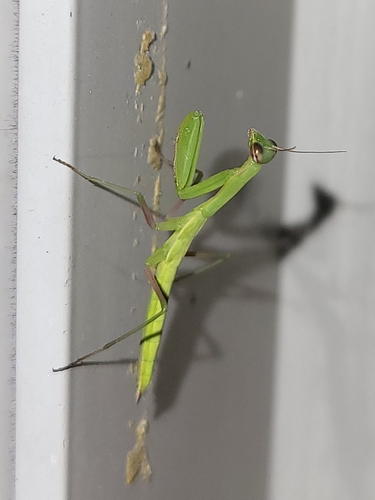
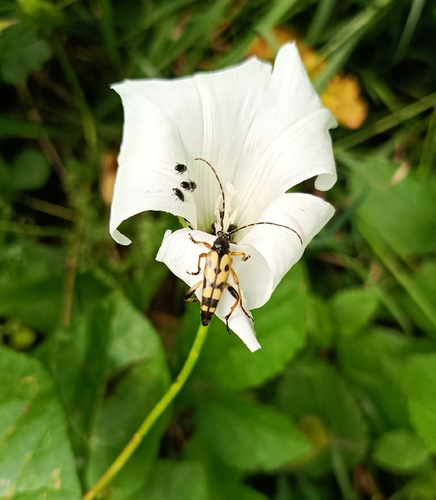
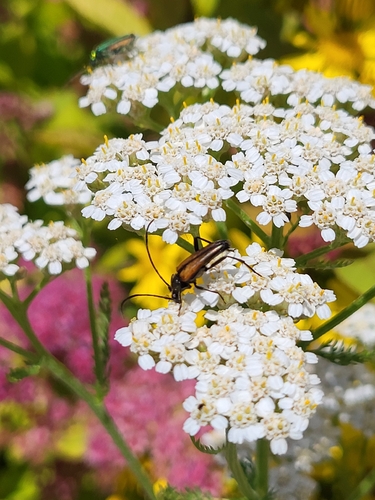
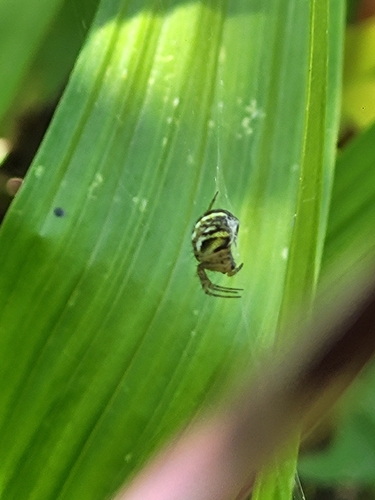
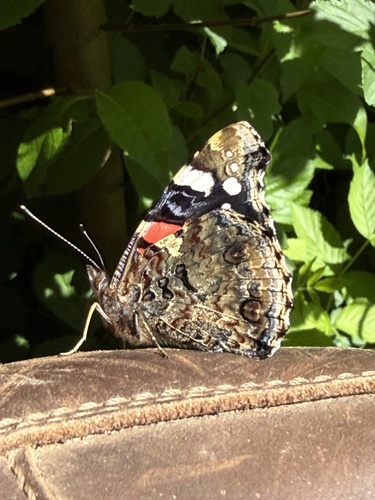
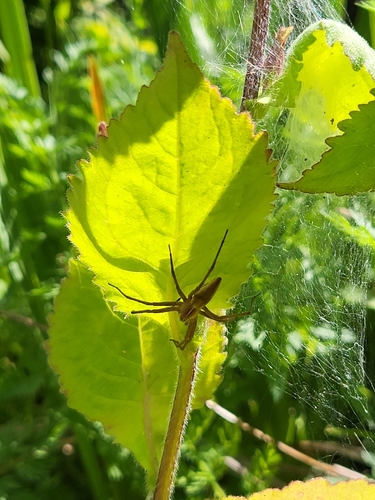
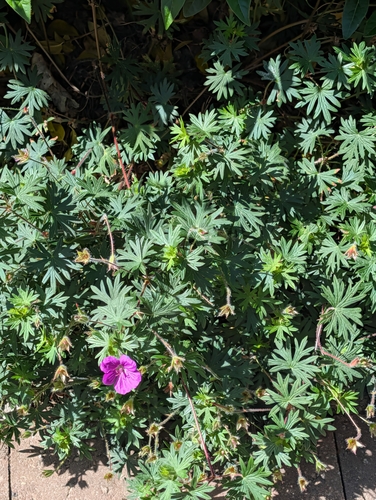
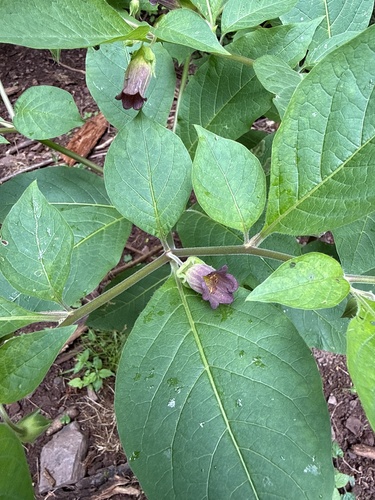
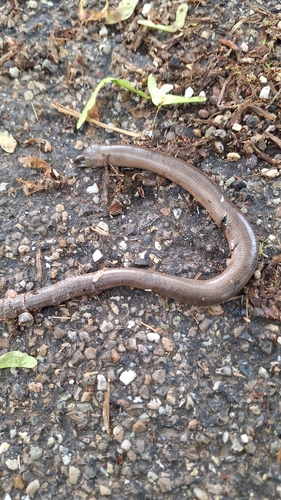
Research-grade observations from iNaturalist (within ~15 mi).
Events
Gallery
Official Identifiers
INSEE — French National Institute of Statistics
- INSEE code
- 88451
- Department
- 88
- Region
- 44
- Population (Wikidata)
- 2,205
geo.api.gouv.fr
Sources
- • Wikipedia
- • Wikidata
- • iNaturalist
- • INSEE — French national statistics, via geo.api.gouv.fr (official commune code, population, surface, department, region)
- • INSEE — French National Institute of Statistics — geo.api.gouv.fr