Browse / Thailand / Ubon Ratchathani / Ubon Ratchathani
Ubon Ratchathani
Ubon Ratchathanicity

Ubon Ratchathani
Total population
74,977
Air quality index
Demographic figures from National Statistical Office of Thailand. Overview below cites Wikipedia and may reference a different year.
City facts
Facts from Wikidata (CC0).
Overview
Ubon Ratchathani, commonly shortened to Ubon, is a city in northeastern Thailand and the administrative centre of Ubon Ratchathani Province. It is one of the four largest cities in Isan, alongside Nakhon Ratchasima, Udon Thani, and Khon Kaen, collectively known as the "big four of Isan." The city lies on the north bank of the Mun River, approximately 497 km (309 mi) from Bangkok in a straight line, or around 629 km (391 mi) by road.
Read more on WikipediaHistory & geography
History
The city was founded in the late 18th century by Thao Kham Phong (), a descendant of Phra Wo and Phra Ta, who fled the authority of King Siribounyasan of Vientiane into the Kingdom of Siam during the reign of King Taksin the Great, and later took the title "Phra Pathum Wongsa" () as the settlement's first ruler. In 1792, King Rama I formally granted the settlement provincial status, making Ubon Ratchathani the administrative center of the Isan monthon. Ubon Ratchathani grew substantially during World War II, when Japanese forces used the railway to bring in Allied prisoners of war evacuated from work on the Burma Railway near Kanchanaburi. In the city's central Thung Si Mueang Park, former Allied POWs erected the "Monument of Goodness" () in gratitude to local residents who had assisted them during their captivity. During the Vietnam War, the United States Air Force established a major presence at Ubon Royal Thai Air Force Base (RTAFB) on the outskirts of the city. The 8th Tactical Fighter Wing, flying F-4 Phantom II aircraft, was the host wing from December 1965 into the mid-1970s, and its pilots were credited with numerous aerial victories over North Vietnamese fighters, earning the wing recognition as one of the top-scoring US fighter units of the war. The Royal Australian Air Force also maintained a detachment of CAC Sabre fighters at the base (No. 79 Squadron) from 1962 to 1968, providing air defence for allied aircraft stationed there.
Geography
Ubon Ratchathani City Municipality is the administrative seat of both Ubon Ratchathani Province and Mueang Ubon Ratchathani District. The city sits at an elevation of approximately above sea level. The straight-line distance to Bangkok is approximately , The city occupies the north bank of the Mun River, while the neighbouring town of Warin Chamrap — administratively a separate municipality within Warin Chamrap District — spans the south bank and forms part of the same contiguous urban area. The two are linked by road bridges across the river, with the city centre organised around Thung Si Mueang Park.
Excerpted from the corresponding Wikipedia article (CC BY-SA).
Geography
Coordinates & boundaries from the US Census TIGER/Line shapefiles.
Climate
Air quality
Current readings from Open-Meteo Air Quality API (Copernicus CAMS European reanalysis).
Walkability
Amenities nearby
Wildlife & biodiversity
Most-observed species
- Common MynaAcridotheres tristis (Linnaeus, 1766) · Aves69
- Rock PigeonColumba livia J.F.Gmelin, 1789 · Aves62
- Zebra DoveGeopelia striata (Linnaeus, 1766) · Aves62
- Green Bee-eaterMerops orientalis Latham, 1801 · Aves61
- Great MynaAcridotheres grandis Moore, 1858 · Aves59
- Brahminy KiteHaliastur indus (Boddaert, 1783) · Aves49
- Ashy WoodswallowArtamus fuscus Vieillot, 1817 · Aves45
- Greater CoucalCentropus sinensis (Stephens, 1815) · Aves43
Citizen-science & research observations from the Global Biodiversity Information Facility (GBIF).
Earthquake history
Events from the USGS Earthquake Catalog (global) (FDSN Event Web Service).
Photos
Sights & places nearby
Notable people from here


People born within ~10 km, from Wikidata (CC0). Click any name for their Wikipedia article.
Nearby places in Ubon Ratchathani
- Bakırköy4808.6 mi away · pop. 226,685
- Bibione5556 mi away · pop. 2,564
- San Giorgio al Tagliamento5557.7 mi away
- Villanova Sant'Antonio5561.1 mi away
- Villanova Santa Margherita5561.7 mi away
- Valle5564.2 mi away
- San Pietro di Cadore5564.5 mi away · pop. 1,839
- San Nicolò di Comelico5567.1 mi away · pop. 426
- Borghetto5567.4 mi away
- La Salute di Livenza5567.7 mi away
- San Giorgio di Livenza5568 mi away
- Blessaglia5569.3 mi away
Geography & sun
Elevation, sunrise/sunset and daylight from Open-Meteo. Solar climatology from NASA POWER.
Nearby airports
Public attention
Pageview totals from the Wikimedia Pageviews API.
Books about Ubon Ratchathani
Search results from Open Library.
Recent natural events nearby
Ground air-quality sensors
Recently spotted species
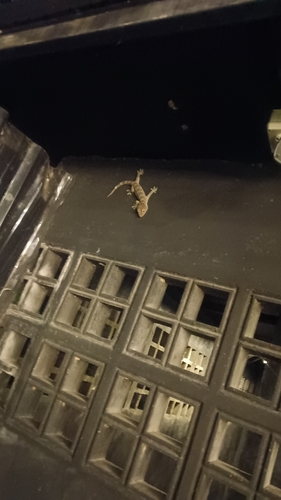
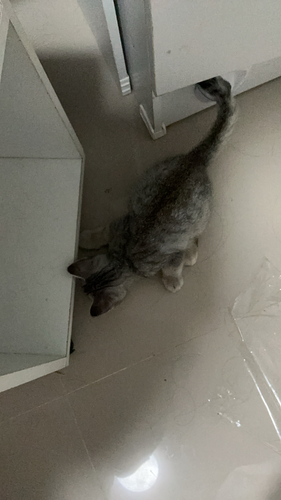
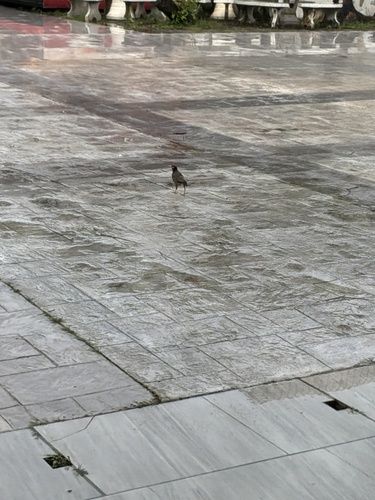
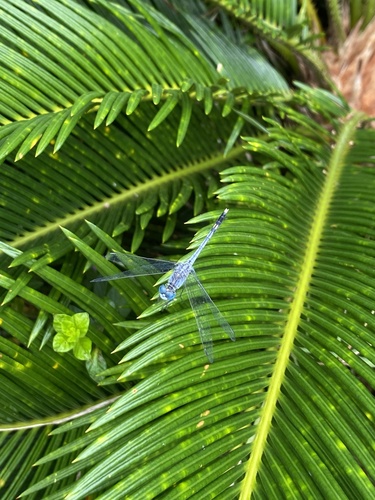
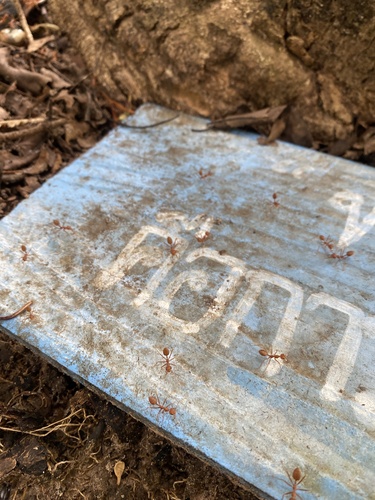
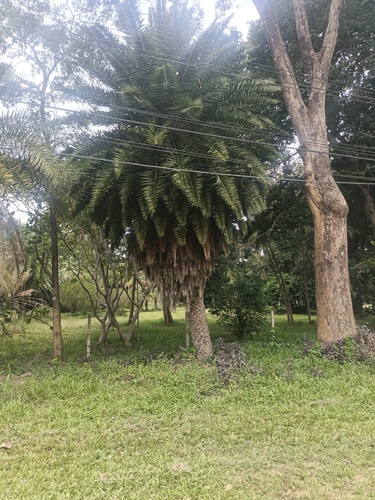
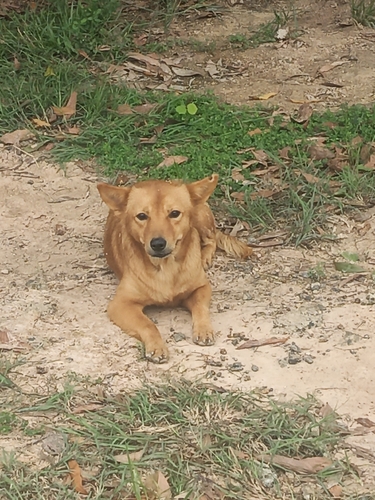
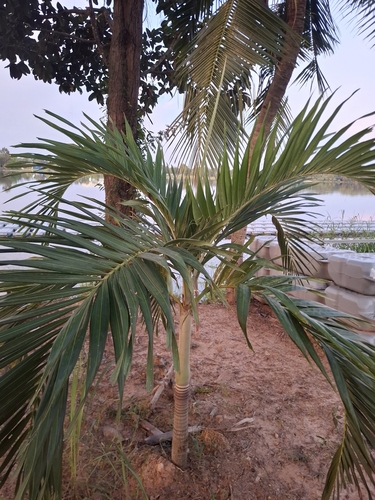
Research-grade observations from iNaturalist (within ~15 mi).
Events
Gallery
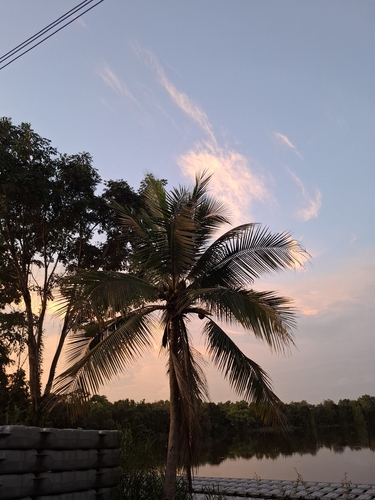
Geotagged photos within ~6 miles of Ubon Ratchathani, from Wikimedia Commons contributors.
 0 mi
0 mi 0.1 mi
 0.1 mi
 0.1 mi
 0.1 mi
 0.1 mi
 0.1 mi
 0.2 mi
.jpg) 0.2 mi
0.2 mi.jpg) 0.2 mi
0.2 mi 0.2 mi
.jpg) 0.2 mi
0.2 mi.jpg) 0.2 mi
0.2 mi.jpg) 0.2 mi
0.2 mi.jpg) 0.2 mi
0.2 mi.jpg) 0.2 mi
0.2 mi.jpg) 0.2 mi
0.2 mi.jpg) 0.2 mi
0.2 mi.jpg) 0.2 mi
0.2 mi.jpg) 0.2 mi
0.2 mi 0.2 mi
 0.2 mi
 0.2 mi
 0.2 mi
Photos via Wikimedia Commons — see each image page for license & attribution.
Sources
- • Wikipedia
- • Wikimedia Commons
- • Wikidata
- • Open-Meteo Air Quality (CAMS)
- • USGS Earthquake Catalog (global feed)
- • GBIF (Global Biodiversity Information Facility)
- • iNaturalist
- • Open-Meteo / sunrise-sunset.org
- • Wikipedia Pageviews API
- • Open Library