The island built entirely from clam and cockle shells
Fadiouth, Senegal
Centuries of shellfish harvesting formed an artificial island where streets, cemeteries, and building foundations are made of shells instead of sand.
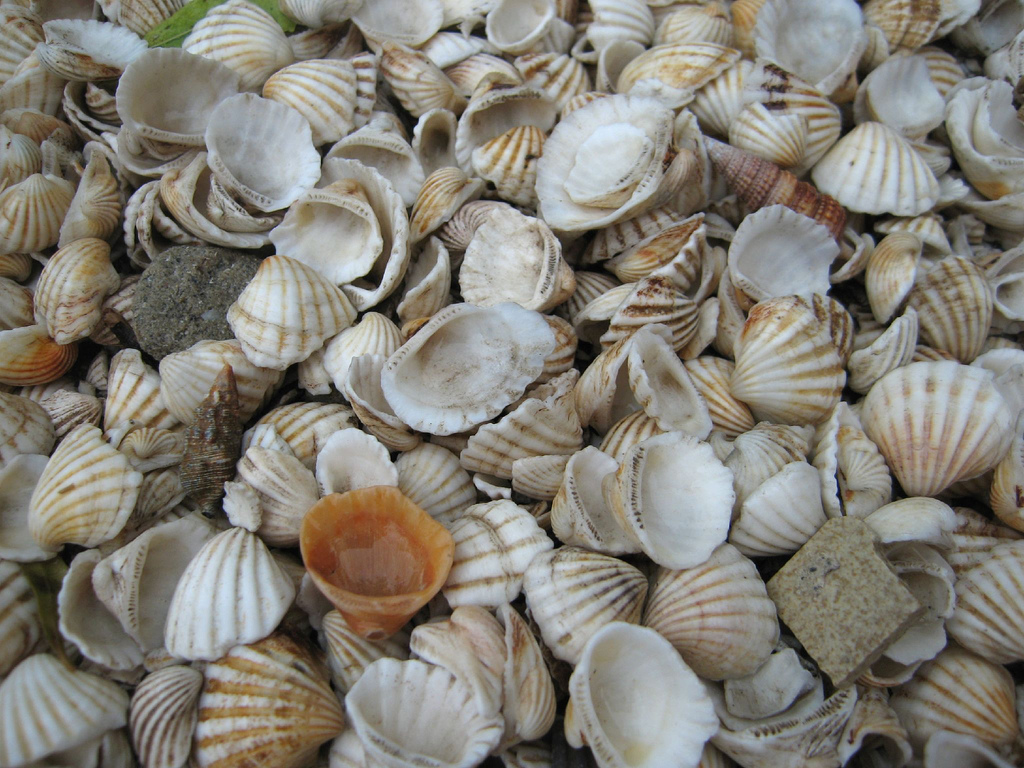
Fadiouth is a small island off the coast of Senegal near the town of Joal, connected to the mainland by a long wooden footbridge. Unlike most islands, Fadiouth was not formed by geology alone but built up over centuries from millions of discarded clam and cockle shells left behind by generations of local shellfish harvesters. The shells compacted over time into solid ground, now covering the entire island including its streets, building foundations, and even its cemetery. Around 9,000 people live there, primarily from the Serer ethnic group, sustained by fishing, shellfish gathering, and baobab and millet farming on the nearby mainland. Fadiouth is also notable for religious harmony: it is home to a shared cemetery, built entirely on shells, where Muslims and Christians are buried side by side, a rare and celebrated symbol of coexistence in a country with a strong tradition of religious tolerance.
An Island Made by Human Hands
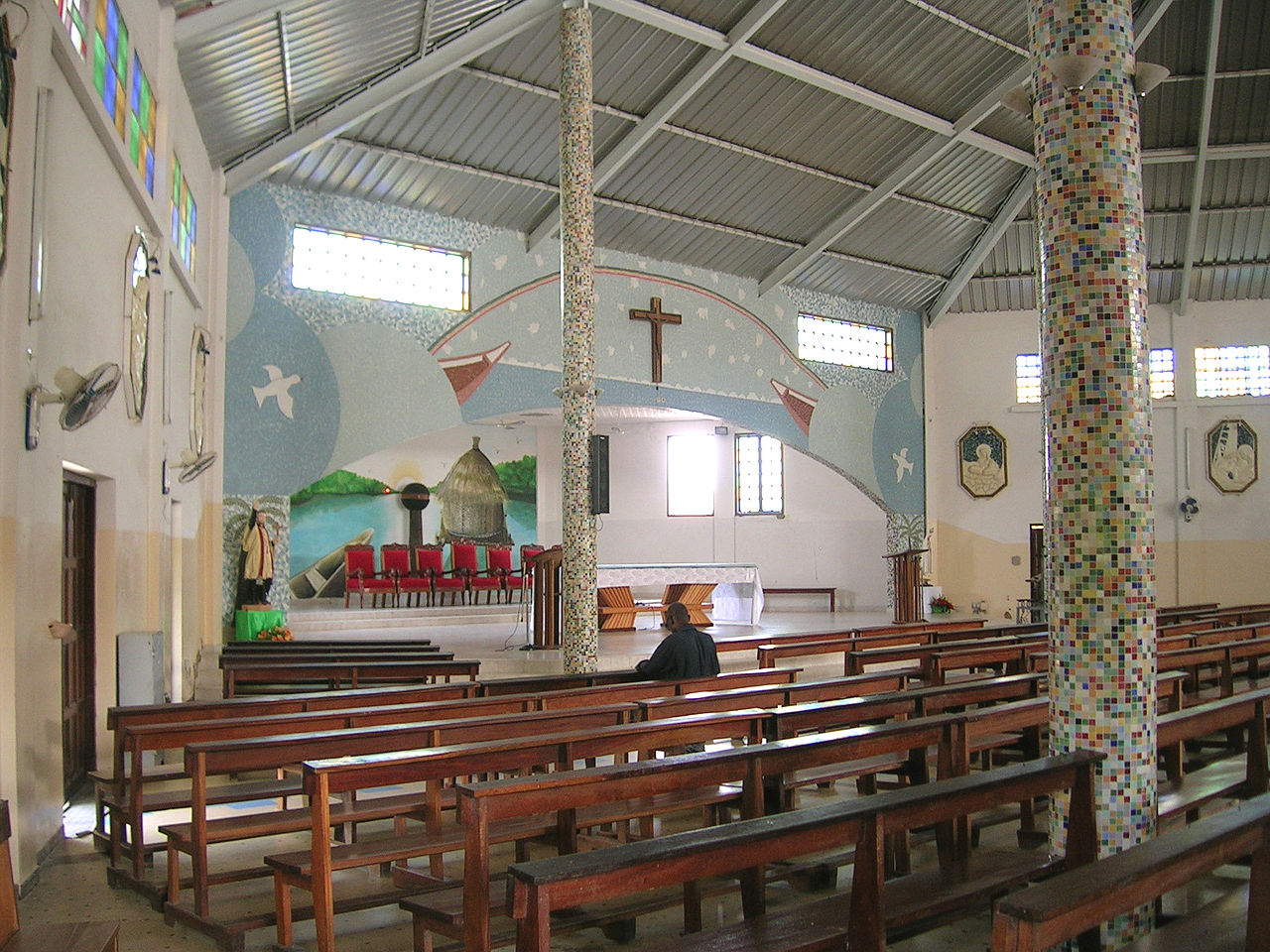
Fadiouth's shell foundation formed gradually as generations of Serer fishing communities harvested clams and cockles from the surrounding estuary, discarding the shells locally rather than transporting them elsewhere. Over centuries these shell mounds solidified into a stable, walkable landmass that now supports homes, shops, and a church.
A Cemetery of Shared Faith
One of Fadiouth's most famous landmarks is its interfaith cemetery, located on a smaller adjoining shell islet connected by another footbridge. Muslims and Christians from the community are buried together there, a tradition reflecting the region's long history of interfaith marriage and coexistence, unusual in a way that draws visitors and researchers alike.
Life Between Land and Sea
Residents travel between Fadiouth and the mainland town of Joal via a roughly 400-meter wooden footbridge, a defining feature of daily commerce and life. Fishing remains central to the local economy, alongside oyster farming, with shellfish continuing to be gathered from the mangroves that surround the island much as they have for generations.
A Destination for Cultural Tourism
Fadiouth has become a modest but growing destination for visitors interested in Senegal's Serer culture, its baobab forests, and its distinctive shell architecture. Local guides lead tours across the footbridge, through shell-paved streets, and to the cemetery, offering income to a community still largely reliant on traditional fishing and farming.
Fun facts
- The entire island surface, including roads and building foundations, is composed of compacted clam and cockle shells.
- Fadiouth's interfaith cemetery on a neighboring islet buries Muslims and Christians together in shared ground.
- The island is connected to the mainland town of Joal by a roughly 400-meter wooden footbridge.
- Fadiouth is part of the Serer ethnic homeland, known for a fishing and farming economy centered on baobab trees.
- Senegal's former president Leopold Sedar Senghor, of mixed Serer and Christian-Muslim family heritage, is closely associated with the Joal-Fadiouth region.
Gallery



Sources
Other interesting places
View all →


Featured lists
View all lists →


Compare cities, side by side
Choose any 2 cities →


Text on this page is original Terralocate editorial. Background facts compiled from the public sources listed above. Images via Wikimedia Commons under their respective licenses (typically CC BY-SA or public domain).