South Australia · the opal capital of the world
Coober Pedy: The Australian Town Where More Than Half the Population Lives Underground
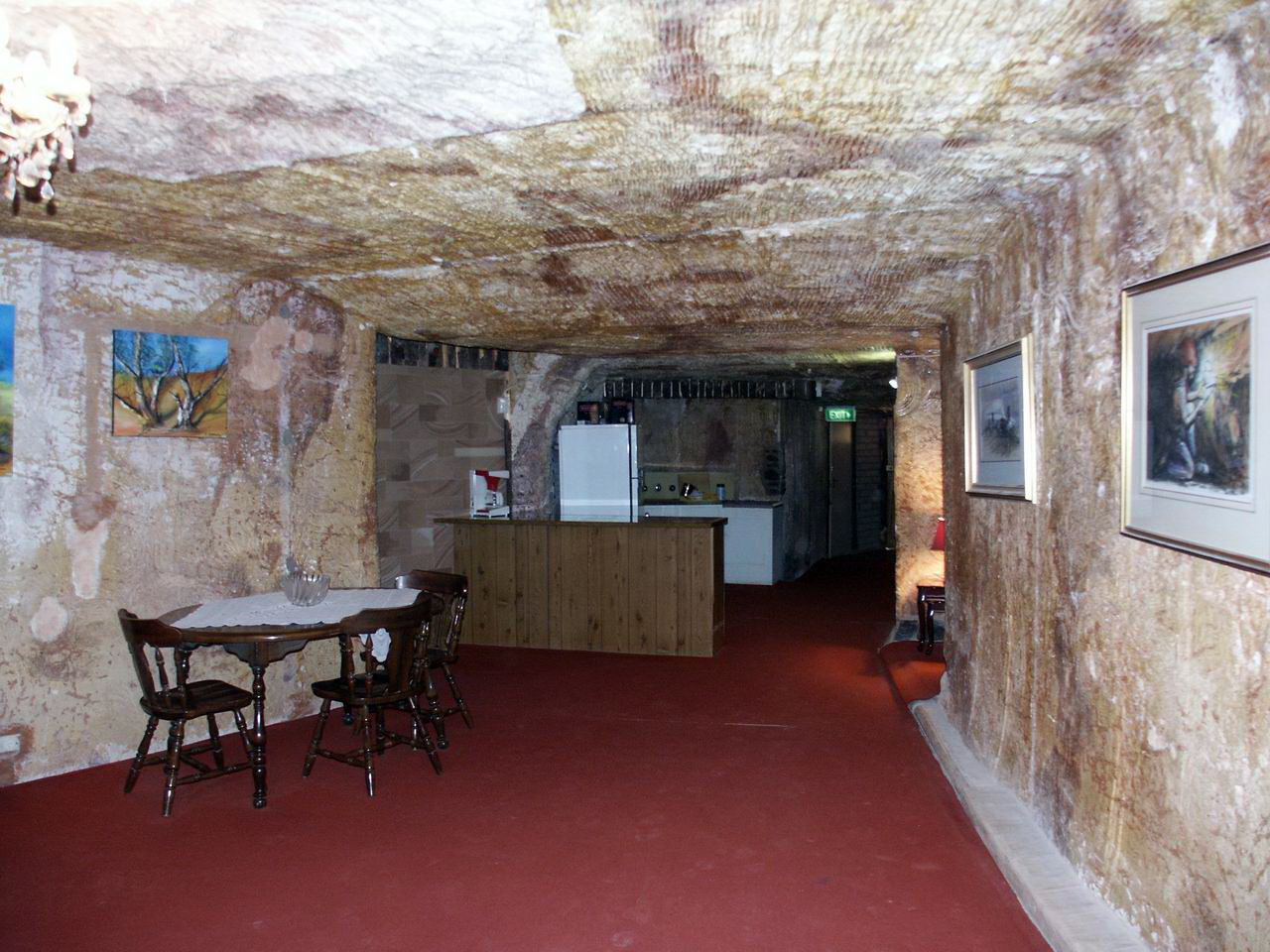
Surface temperatures in Coober Pedy regularly hit 45 °C. So more than half its residents live in cool, climate-stable houses — and even a church and a hotel — carved straight into the sandstone hills.

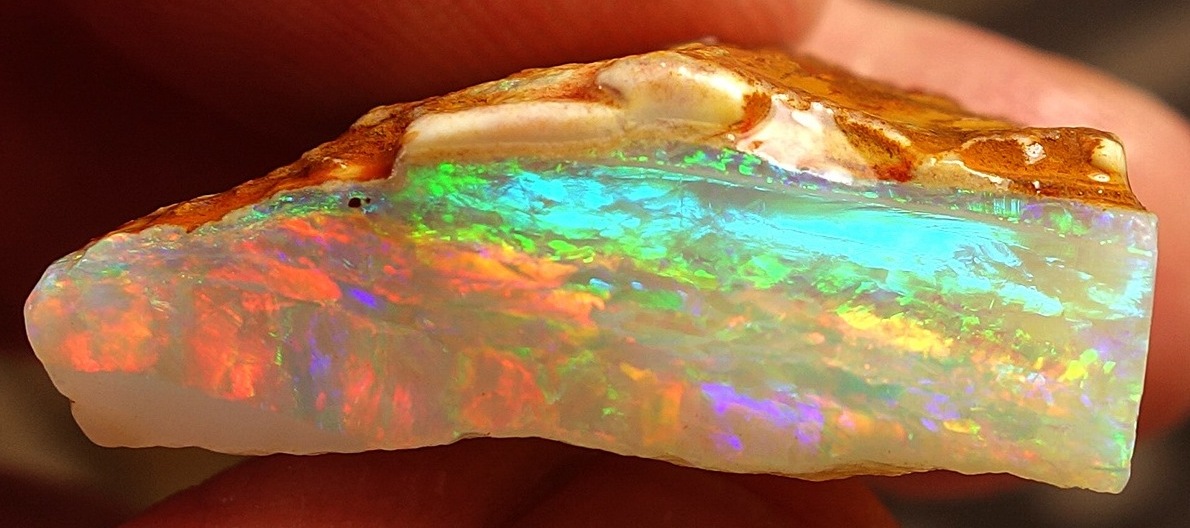
Coober Pedy is a small mining town in the South Australian outback, almost exactly halfway between Adelaide and Alice Springs. It is the world's largest producer of opal — and one of the only places where the houses, churches, hotels, art galleries, and bookshops are dug straight into the rock.
Opals and an accidental town
Opal was discovered here in 1915 by a 14-year-old named Willie Hutchison, part of a gold-prospecting expedition. The find triggered a small rush, and a settlement grew up around the diggings. The town's name comes from the local Kokatha-Mula language: kupa-piti, often translated as "white man in a hole" — a literal description of what miners were doing all day.
More than 70 % of the world's gem-quality opal still comes from the Coober Pedy fields. The town remains a working mining community, with thousands of vertical shafts and tailings piles surrounding the built-up area. Visitors are warned not to walk backward while taking photographs.
Why so much of the town is underground
Daytime summer temperatures in Coober Pedy regularly exceed 40 °C (104 °F), with hot, dust-laden winds. Returning World War I veterans, familiar with deep dugouts from the Western Front, started carving "dugout" homes into the soft sandstone hillsides around 1915. The temperature 3 metres underground stays roughly 23 °C year-round, regardless of the surface weather.
Today, dugouts make up more than half of all residences. Many are surprisingly large — three or four bedrooms, full kitchens, even pools — and a number are listed on Airbnb. The town also has underground churches (Serbian Orthodox, Catholic, and Anglican), an underground hotel (the Desert Cave), and an underground bookshop. Some dugouts are extensions of old opal mines: residents have been known to find small opals while extending a bedroom.
Related list
The 10 Hottest Cities on Earth
Coober Pedy's 45 °C summers are brutal — but they don't even crack the top 10. From Pakistan's Jacobabad (53 °C) to Kuwait City and Baghdad, see the cities where heat is the defining weather story of the year.
See the listA surface no one mistakes for normal
Above ground, Coober Pedy looks like a film set — and frequently has been one (Mad Max Beyond Thunderdome, Pitch Black, Priscilla, Queen of the Desert). The town's golf course is famously sand-only, with players carrying a small piece of artificial turf to tee off from. Local water comes from a desalination plant that processes salty groundwater piped in from a borehole 24 km away. Electricity has, since 2017, been mostly solar — appropriate for a town with about 320 sunny days a year.
Fun facts
- The local golf course has no grass. Players carry a small swatch of AstroTurf to tee off from each hole.
- Coober Pedy's underground Serbian Orthodox church was dug out by hand in the 1990s; its dome is carved into the natural rock.
- Outside town, the Breakaways and the Dog Fence — a 5,600 km fence built to keep dingoes out of sheep country — are among the strangest landscapes accessible by ordinary car.
- The town has hosted scenes for Mad Max, Pitch Black, Priscilla, Queen of the Desert, and Red Planet.
Gallery



Sources
Other interesting places
View all →


Featured lists
View all lists →


Keep exploring
See Coober Pedy on the map
Terralocate is a place encyclopedia covering thousands of towns worldwide. Open Coober Pedy's page for coordinates, population, nearby places, and an interactive map — or jump into the rest of Australia.
Compare cities, side by side
Choose any 2 cities →


Text on this page is original Terralocate editorial. Background facts compiled from the public sources listed above. Images via Wikimedia Commons under their respective licenses (typically CC BY-SA or public domain).