East Greenland
Ittoqqortoormiit: Life in the Western Hemisphere's Most Isolated Town
Frozen in by sea ice for up to nine months a year and reachable only by helicopter or boat during a short summer window, Ittoqqortoormiit is one of the most isolated inhabited places on the planet.
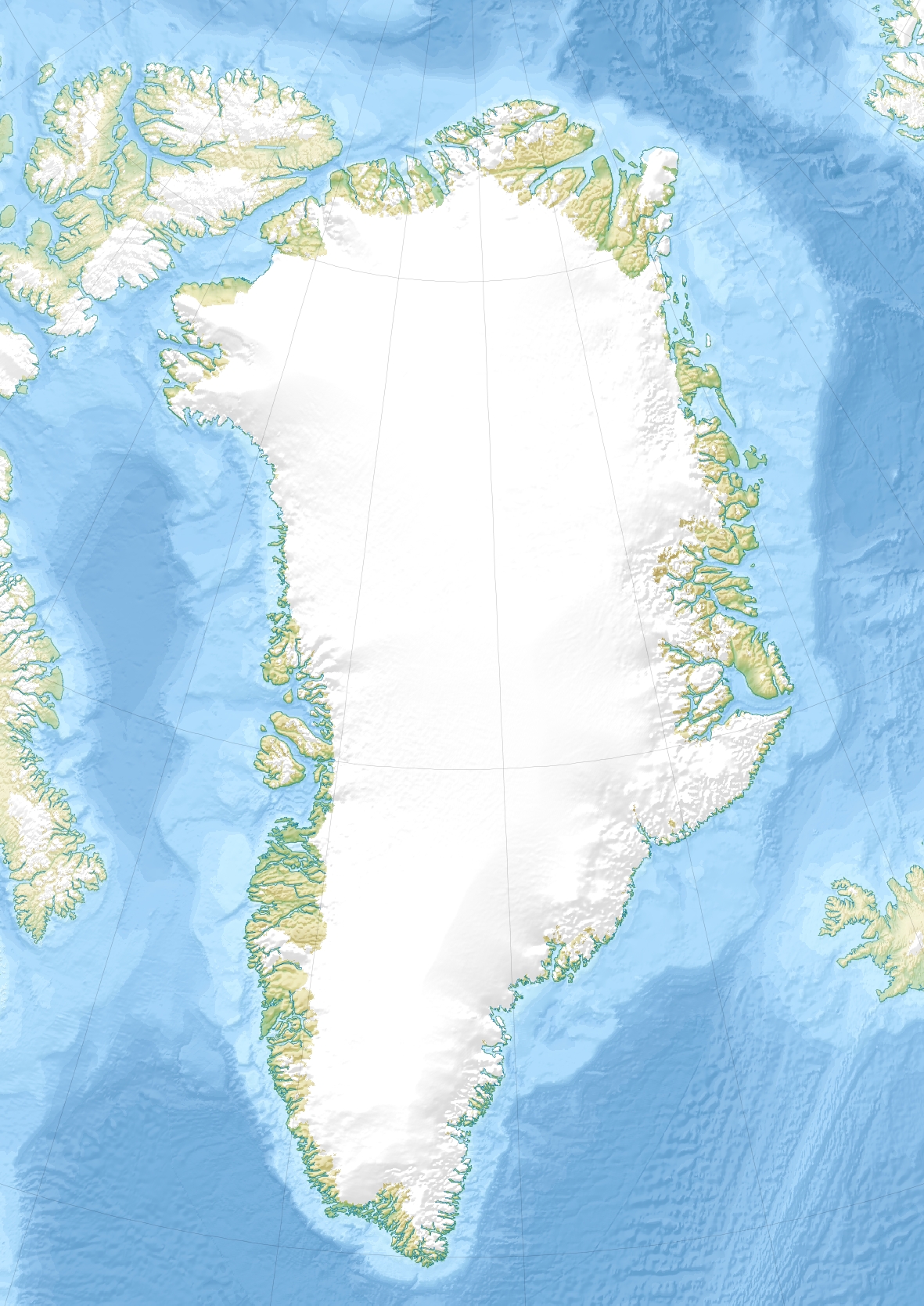
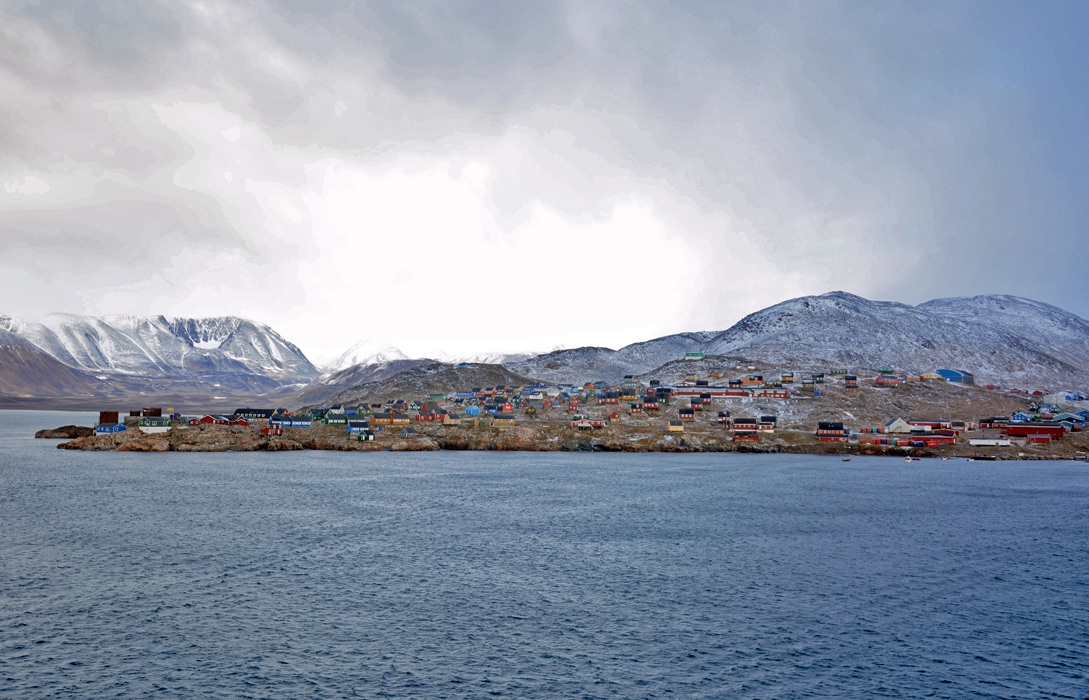
On the edge of Scoresby Sound, the world's largest and longest fjord system, sits Ittoqqortoormiit, a settlement of around 300 to 350 people that ranks among the most isolated towns in the Western Hemisphere. Founded in 1925 by Inuit settlers relocated from western Greenland to assert Danish sovereignty over the eastern coast, the town remains cut off from the rest of Greenland by hundreds of kilometers of ice, mountains, and open sea, with no roads connecting it to any other settlement. For up to nine months each year, pack ice seals the fjord, leaving helicopter flights to the tiny airport at nearby Nerlerit Inaat as virtually the only way in or out. Residents live largely by hunting polar bears, seals, and narwhals under strict quota systems, maintaining a traditional subsistence lifestyle that has changed relatively little for generations despite the encroachment of the modern world.
Founding a Remote Outpost
Ittoqqortoormiit was established in 1925 when Danish explorer Ejnar Mikkelsen organized the relocation of 70 Inuit settlers from Ammassalik, hundreds of kilometers to the south, to found a permanent settlement on Greenland's largely uninhabited east coast. The move was partly strategic, intended to reinforce Danish territorial claims to eastern Greenland against competing Norwegian interests.
The settlers named their new home Ittoqqortoormiit, meaning roughly 'inhabitants of the big houses,' referencing ruins of ancient dwellings found at the site. It was also known by its Danish name, Scoresbysund, after the fjord system explored by British whaler William Scoresby in the early 19th century.
Sealed Off by Ice for Most of the Year
Ittoqqortoormiit's isolation is almost absolute for much of the year. Scoresby Sound freezes over, and pack ice from the East Greenland Current chokes the coastline, making sea travel impossible for as long as nine months annually. The nearest other town, Tasiilaq, lies roughly 800 kilometers away, and there is no possibility of overland travel between Greenlandic settlements.
The only reliable year-round access is by helicopter to the small airstrip at Nerlerit Inaat, about 40 kilometers away, itself served by infrequent flights connected to Iceland and Reykjavik rather than Greenland's capital, Nuuk, underscoring just how disconnected the settlement is even from its own country's infrastructure.
A Subsistence Hunting Culture
With a short growing season and no agriculture possible, Ittoqqortoormiit's population survives largely through hunting and fishing, a lifestyle regulated by strict, internationally negotiated quotas. Hunters pursue polar bears, ringed seals, narwhals, and musk oxen, both for food and, in limited controlled amounts, for trade in furs and ivory.
Sled dogs remain essential working animals here, used for hunting trips across sea ice in a way that has largely disappeared elsewhere in the Arctic, and the town retains one of Greenland's strongest connections to traditional subsistence culture.
A Shrinking, Aging Population
Ittoqqortoormiit's population has been gradually declining for decades, from several hundred residents historically to roughly 320 to 350 today, as younger generations migrate toward larger towns and Denmark in search of education and economic opportunity. This slow depopulation mirrors trends across many remote Arctic communities grappling with climate change, economic pressure, and shifting cultural expectations.
Despite the challenges, a resilient core of residents continues life there, drawing modest tourism revenue from adventurous travelers seeking dogsledding, fjord cruises, and wildlife viewing in one of the last truly wild corners of the inhabited world.
Fun facts
- Ittoqqortoormiit was founded in 1925 by 70 Inuit settlers relocated from Ammassalik, hundreds of kilometers away.
- Sea ice can seal off the town's fjord for up to nine months of the year, leaving helicopters as the only reliable transport.
- The nearest other town, Tasiilaq, lies roughly 800 kilometers away by sea.
- The population has dwindled to around 320 to 350 residents, down from historical highs.
- Hunters still rely on sled dogs to pursue polar bears, seals, and narwhals across the sea ice.
Gallery


Sources
Other interesting places
View all →


Featured lists
View all lists →


Compare cities, side by side
Choose any 2 cities →


Text on this page is original Terralocate editorial. Background facts compiled from the public sources listed above. Images via Wikimedia Commons under their respective licenses (typically CC BY-SA or public domain).