Micronesia · Pacific Ocean
Nauru: How the Richest Country Per Capita Mined Itself Into Poverty
In the 1970s Nauru was, briefly, the richest country on Earth per capita — entirely from mining phosphate rock. Today, with the phosphate gone, it is one of the poorest.
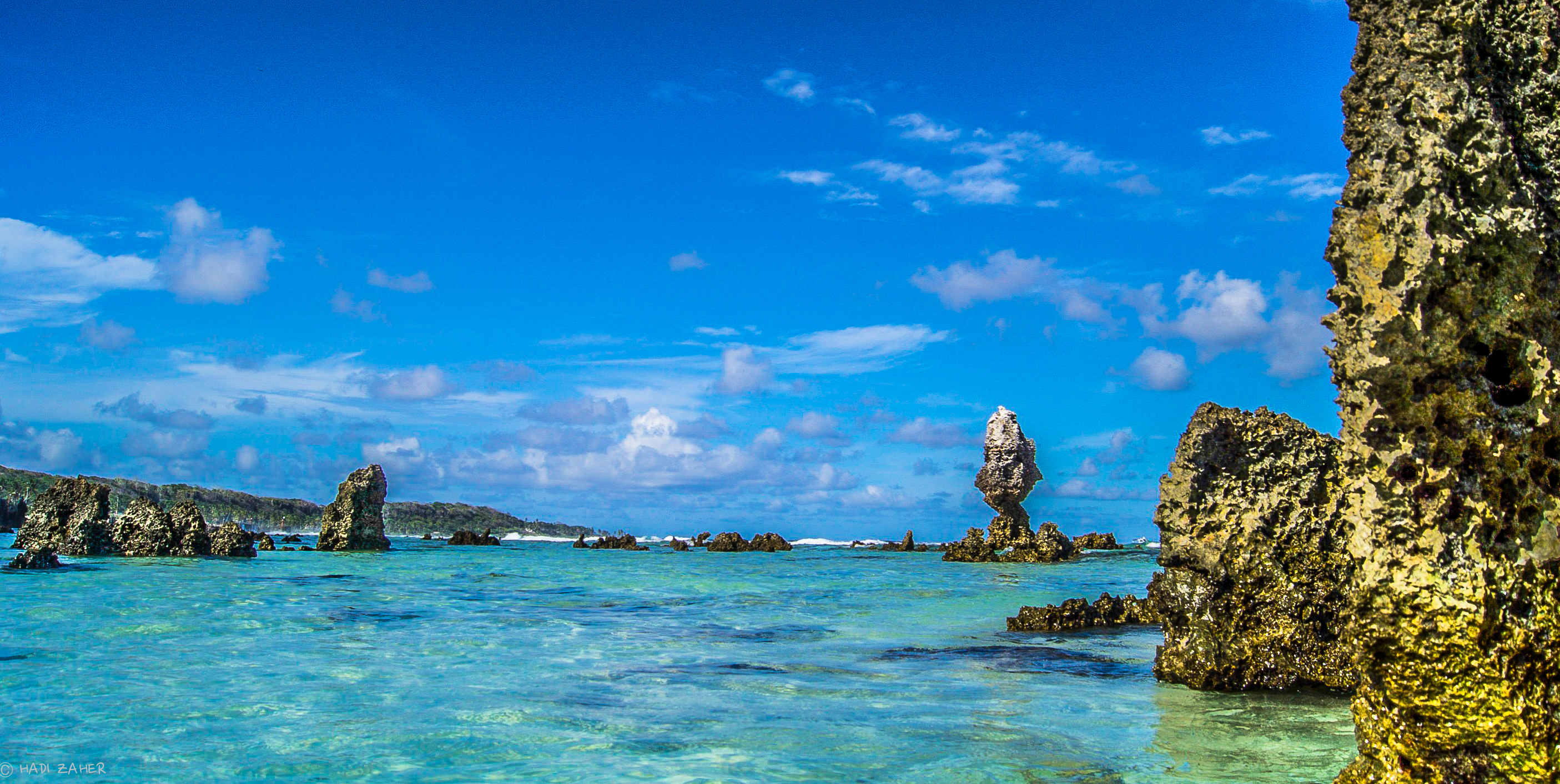
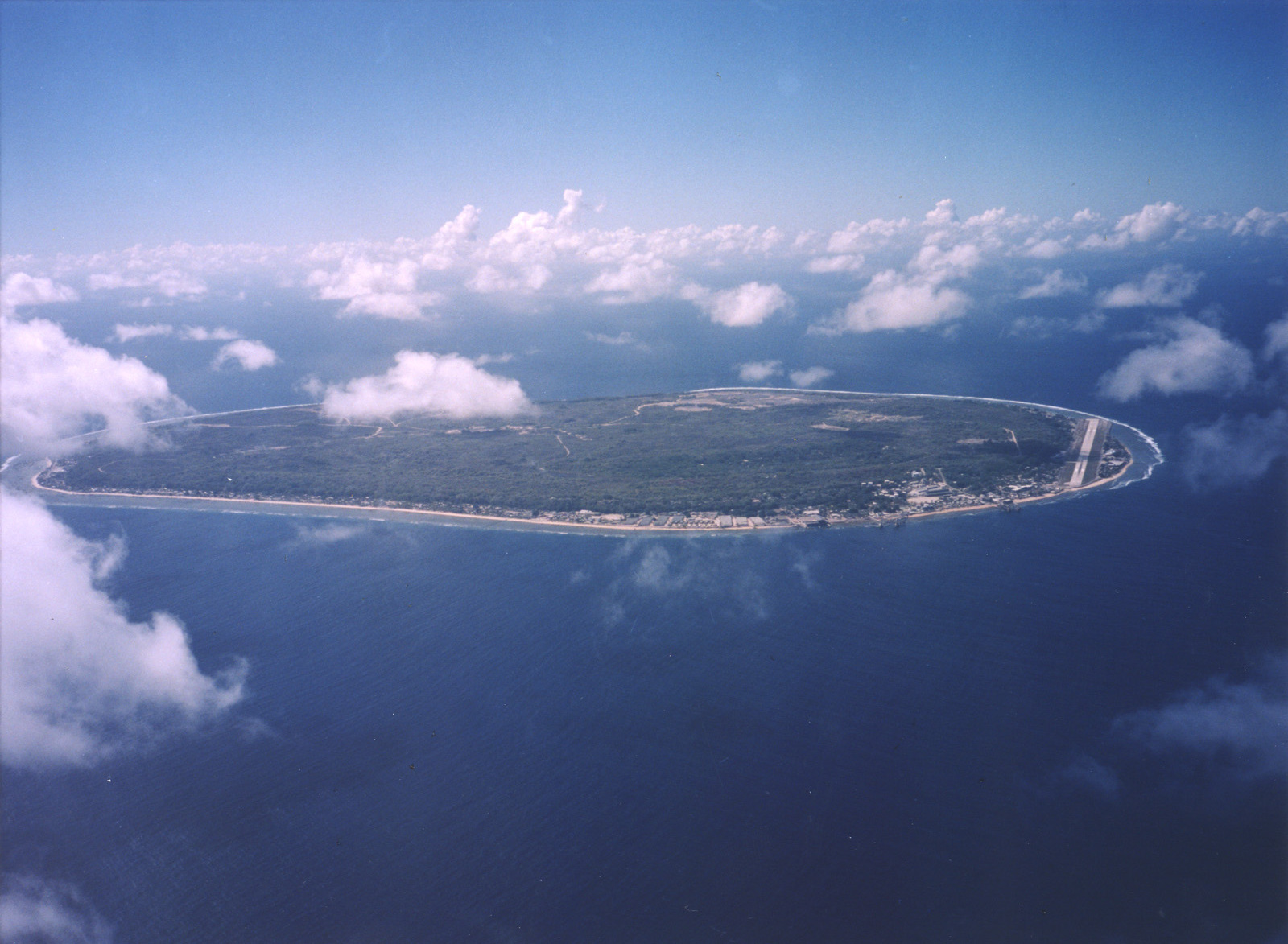
Nauru is an island country in Micronesia, roughly halfway between Hawaii and Australia. It is the third-smallest country in the world by area (about 21 km²) and the smallest republic on Earth, with a population of around 12,500. For about a decade in the 1970s, Nauruans had the highest per-capita income of any country in the world — and the entire economy was built on a single resource: phosphate, deposited over millions of years by seabirds.
How an island became phosphate
Nauru sits on what used to be a coral atoll. Over hundreds of thousands of years, seabirds roosted on the island and built up enormous layers of guano. The guano gradually mineralised into very high-grade phosphate rock — among the richest deposits ever discovered. By the late 1800s, that rock had become an essential ingredient in industrial agriculture, used to make fertiliser for fields across Europe, North America, and Australia.
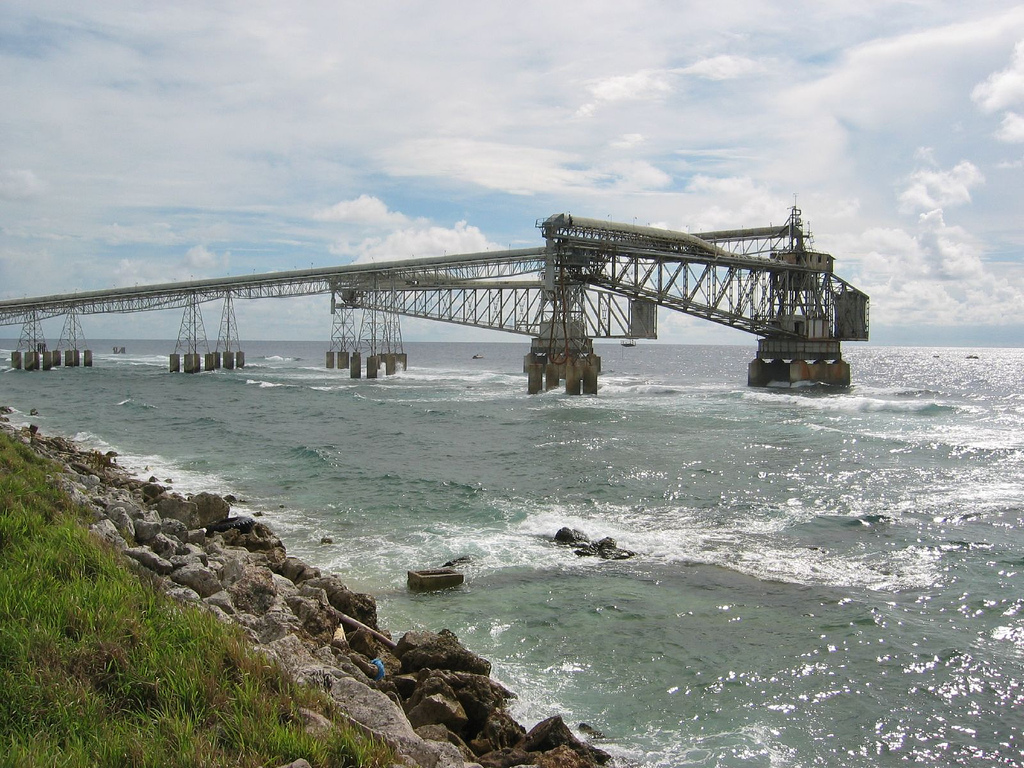
Commercial mining began in 1907 under a German colonial concession, then continued under Australian, British and New Zealand administration. After Nauru gained independence in 1968, it took control of the phosphate operation through the Nauru Phosphate Corporation. The peak years of the 1970s and early 1980s saw Nauru extracting roughly 2 million tons of phosphate per year — enough that the government distributed huge windfalls to citizens, and in 1975 Nauruans had a measured per-capita income that briefly exceeded that of the United States and Saudi Arabia.
What happened to the money
The government set up a sovereign wealth fund — the Nauru Phosphate Royalties Trust — intended to provide income after the phosphate ran out. It once held over US$ 1 billion in international assets, including hotels in Melbourne and Sydney, real estate in Honolulu, a London musical (Leonardo the Musical: A Portrait of Love, 1993, widely considered one of the worst flops in West End history), and an airline (Air Nauru) with one of the world's smallest passenger-to-fleet ratios.
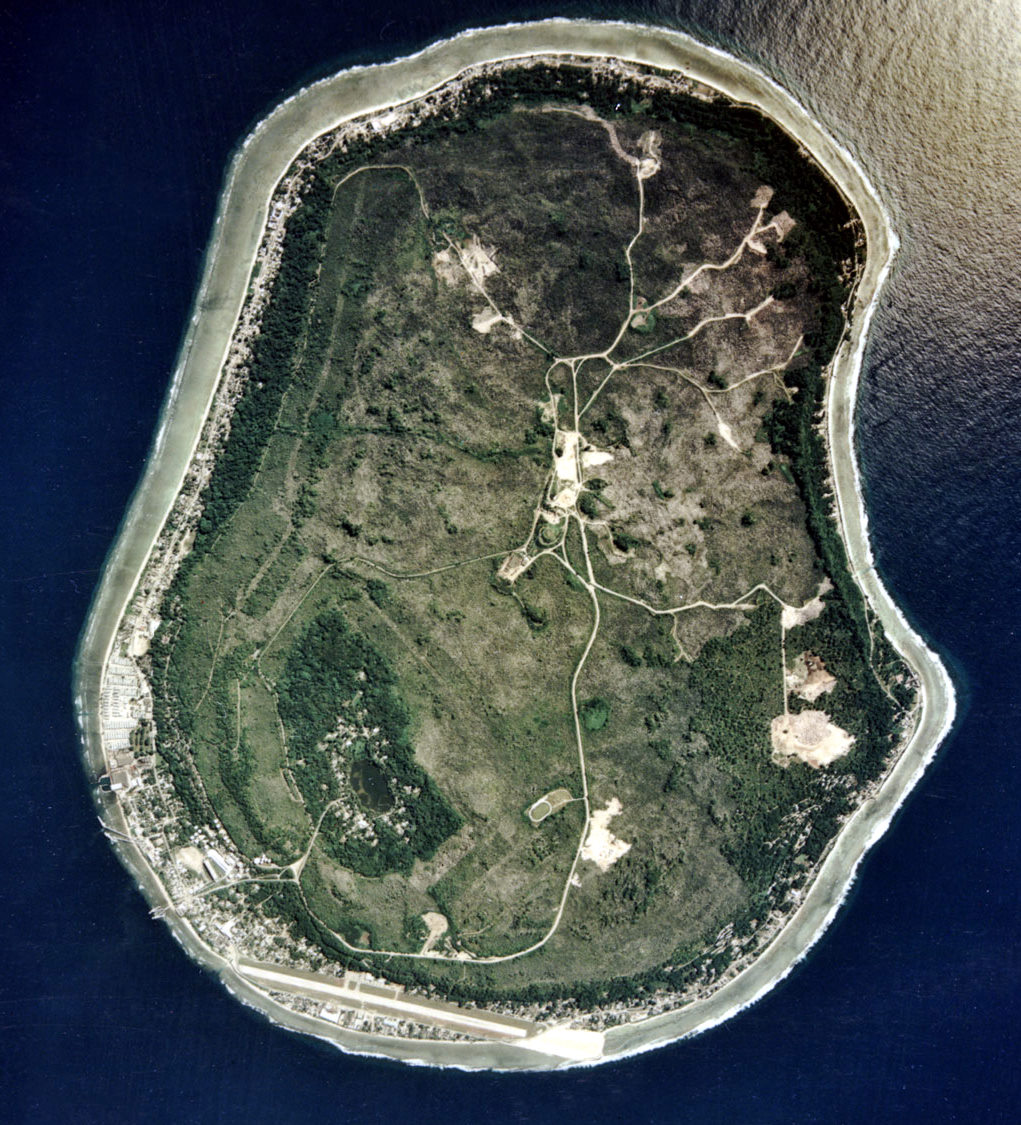
A combination of bad investments, opaque management, and currency losses wiped most of it out. By the early 2000s, the trust was worth only a small fraction of its peak, and the government was effectively insolvent. Mining of the original phosphate reserves had ended in the late 1990s, leaving roughly 80 % of the island's interior — known locally as "Topside" — a moonscape of bare limestone pinnacles, unfit for either agriculture or housing.
Life on the island today
Nauru today survives on a mix of remaining lower-grade phosphate extraction, fishing licences, foreign aid (especially from Australia and Taiwan), and the controversial Australian-funded immigration detention centre, which has at times been the country's single largest employer. The island's only ring road is 19 km long. The international airport doubles as the country's main public space.
The Nauruan government has attempted, with limited success, to use the remaining trust money to start rehabilitation works on the mined-out plateau. Estimates put full rehabilitation costs at well over US$ 200 million — more than the country's entire annual budget.
Fun facts
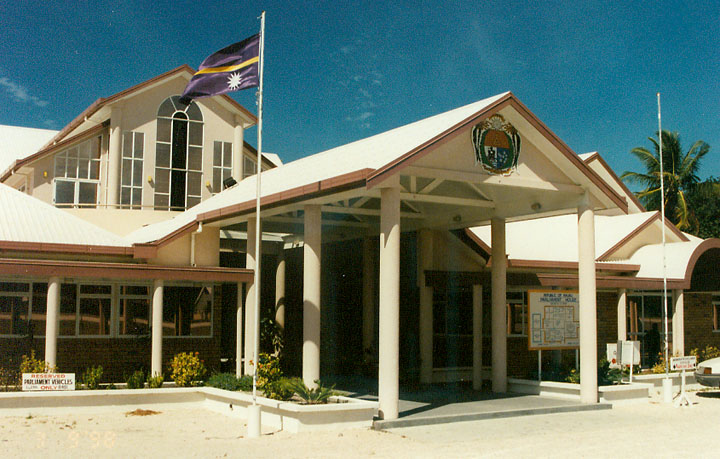
- Nauru is the only republic in the world without an official capital. The de facto seat of government is the district of Yaren.
- At its peak, Nauru's per-capita GDP exceeded that of the United States — purely from a substance once known as bird droppings.
- Nauruans were among the world's largest car owners per capita in the 1970s, despite the country having only about 30 km of usable road.
- Air Nauru once flew Boeing 737s on near-empty international routes, used essentially as government transport for ministers.
Gallery
.jpg)
Sources
Other interesting places
View all →


Featured lists
View all lists →


Compare cities, side by side
Choose any 2 cities →


Text on this page is original Terralocate editorial. Background facts compiled from the public sources listed above. Images via Wikimedia Commons under their respective licenses (typically CC BY-SA or public domain).