One of the only two civilian towns in Antarctica
Villa Las Estrellas
A Chilean settlement on King George Island with a school, a bank, a chapel, and families raising children on the coldest continent on Earth.

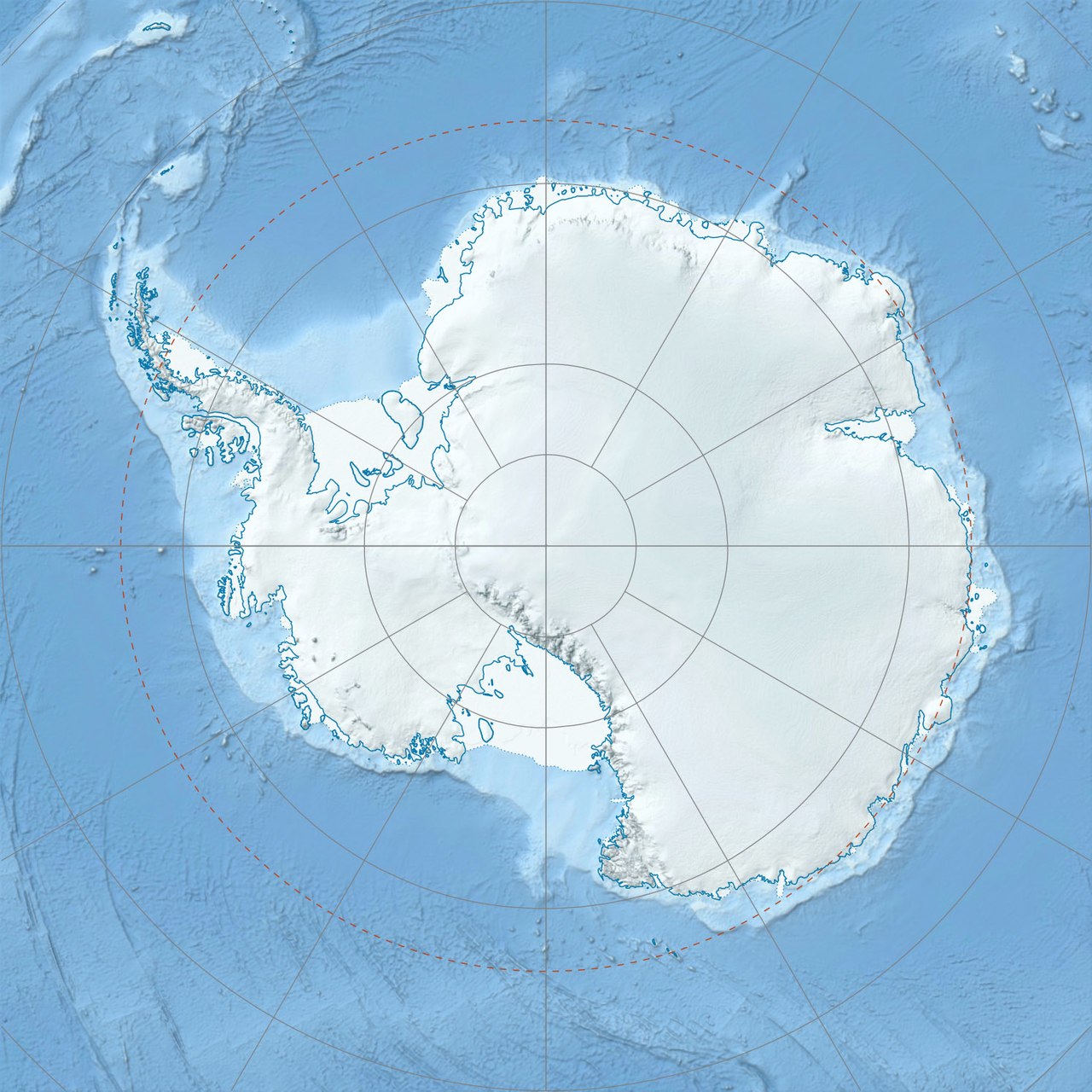
Most people imagine Antarctica as populated only by scientists rotating through isolated research stations, but on King George Island, off the tip of the Antarctic Peninsula, Chile has built something different: an actual civilian town. Villa Las Estrellas, meaning Village of the Stars, was established by the Chilean government in 1984 as part of a broader effort to reinforce its territorial claims on the continent, and it functions as a genuine community rather than a research outpost. Families live there year-round, complete with a school, a post office, a small bank branch, a hospital, and even a chapel. Population fluctuates seasonally, growing to around 120 people during the Antarctic summer and shrinking to roughly 80 through the harsh winter months. Along with the nearby Argentine settlement of Esperanza, Villa Las Estrellas is one of only two places on Earth's southernmost continent that can genuinely be called a civilian settlement rather than a scientific base, a small but remarkable experiment in permanent human habitation at the edge of the world.
Built for Sovereignty as Much as Science
Villa Las Estrellas was established by Chile in 1984, at a time when several nations, including Argentina, Chile, and others, were actively working to strengthen their territorial claims within the Antarctic Treaty System by demonstrating sustained civilian presence on the continent.
While the Antarctic Treaty itself prohibits new territorial claims and emphasizes scientific cooperation, some signatory countries have interpreted permanent settlement as a way to bolster their historic claims, and Chile's construction of an actual town, complete with families and children rather than just rotating scientists, was widely seen as part of that strategy.
The settlement sits adjacent to the Chilean Air Force's Frei Montalva Air Base on King George Island, one of the more accessible parts of Antarctica due to its location near the northern tip of the Antarctic Peninsula, which experiences comparatively milder conditions than the continent's interior.
A Town With a School and a Bank
What sets Villa Las Estrellas apart from typical Antarctic stations is the presence of full civilian infrastructure designed for permanent family life rather than short scientific deployments. The settlement includes an elementary school for the children of resident families, a small hospital staffed for basic medical needs, a post office that issues its own postmarks, a Banco de Chile branch, and a Catholic chapel called Santa Maria Reina de la Paz.
Housing consists of prefabricated units designed to withstand Antarctica's brutal winds and cold, and the settlement even has a gymnasium and a small store where residents can purchase basic goods, functioning much like a small, insulated version of a mainland Chilean town.
Families typically relocate to Villa Las Estrellas for tours of one to two years, with military personnel, meteorologists, and support staff bringing spouses and children to live alongside them, an arrangement almost unheard of elsewhere on the continent, where most inhabitants are unaccompanied scientific or logistics staff.
Life in the Antarctic Winter
During the Antarctic summer months, from around November through March, Villa Las Estrellas swells to roughly 120 residents as additional scientific and support staff arrive to take advantage of more favorable weather for fieldwork and construction projects. Through the harsh winter, that number drops to approximately 80 people who remain to maintain the settlement and support ongoing research operations.
Winter life is often described by residents as intensely quiet, with limited fresh produce, near-total darkness for extended periods, and a tightly knit community forced to rely on each other for both practical support and companionship. A 2016 New York Times feature on the settlement described daily existence there as demanding but manageable, aided by satellite communication, imported supplies, and the psychological preparation residents undergo before relocating.
Children attending the settlement's school follow a curriculum aligned with the Chilean education system, and families describe the experience as unusual but rewarding, offering their children an early education intertwined with the extraordinary natural environment surrounding them, including penguin colonies and glaciers visible just beyond the settlement's edge.
One of Only Two Places Like It
Villa Las Estrellas shares its distinction with just one other settlement on the entire continent, Esperanza Base, an Argentine outpost also located on the Antarctic Peninsula that similarly houses full civilian families rather than rotating research staff. Together, these two settlements represent humanity's only sustained attempt at ordinary civilian life on Antarctica.
All other Antarctic stations, including well-known facilities like McMurdo Station and the Amundsen-Scott South Pole Station, operate as research bases staffed by scientists and support personnel on fixed rotations, without permanent family housing, schools, or the trappings of everyday civic life.
Tourists occasionally pass through Villa Las Estrellas as part of Antarctic Peninsula cruise itineraries, drawn by the novelty of visiting an actual town rather than a scientific facility, and the settlement has become something of a curiosity within the broader tourism industry focused on the region. For its residents, though, Villa Las Estrellas is simply home, a small, resilient community proving that ordinary domestic life is possible even at the bottom of the world.
Fun facts
- Villa Las Estrellas was established by Chile in 1984, partly to reinforce its Antarctic territorial claims.
- Population ranges from about 120 in summer to roughly 80 during the harsh Antarctic winter.
- The settlement has a school, a hospital, a bank branch, a post office, and a Catholic chapel.
- It is one of only two civilian settlements in Antarctica, the other being Argentina's Esperanza Base.
- Families typically stay for one to two year postings, bringing children who attend the local school.
Gallery



Sources
Other interesting places
View all →


Featured lists
View all lists →


Compare cities, side by side
Choose any 2 cities →


Text on this page is original Terralocate editorial. Background facts compiled from the public sources listed above. Images via Wikimedia Commons under their respective licenses (typically CC BY-SA or public domain).